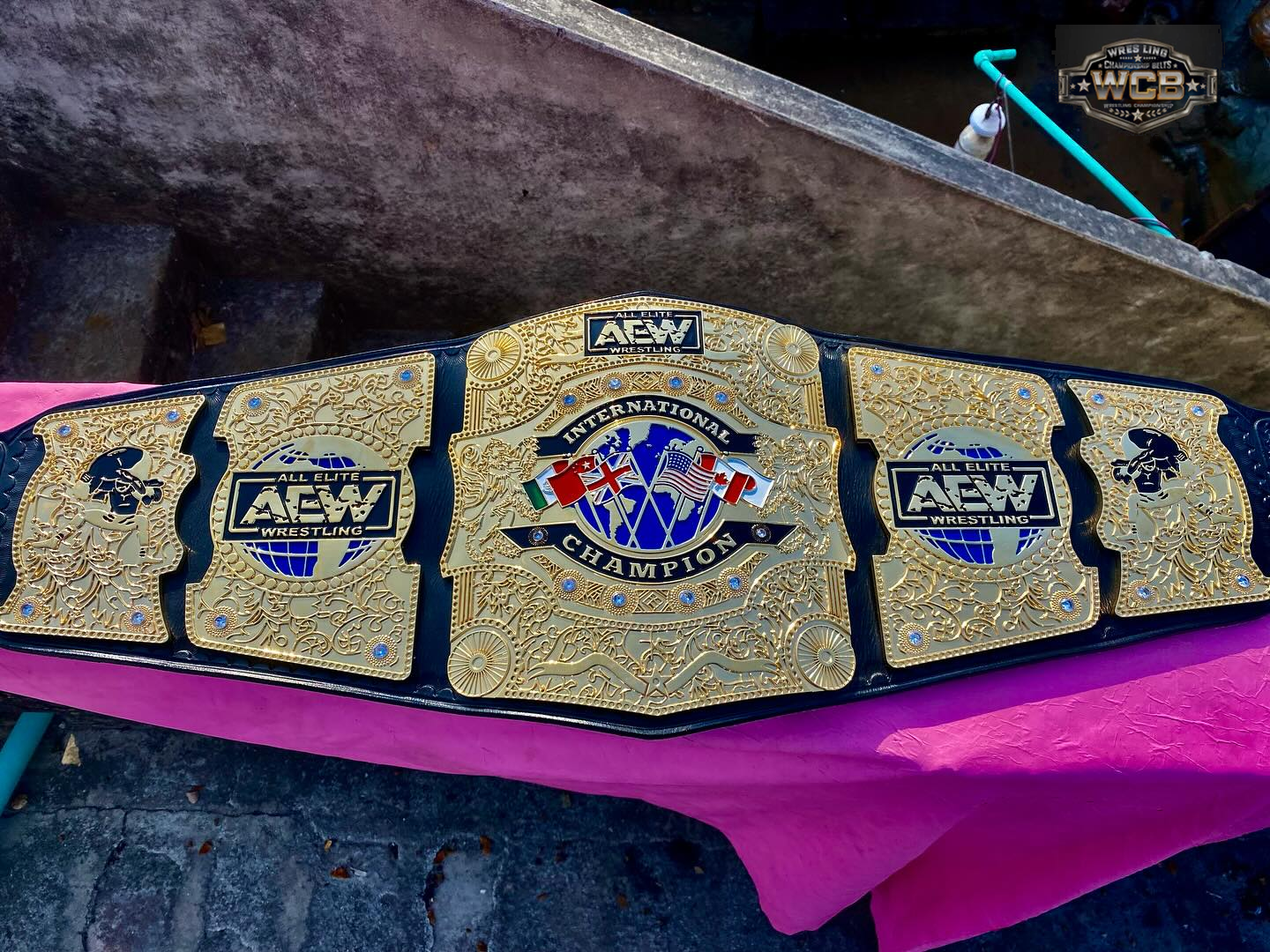
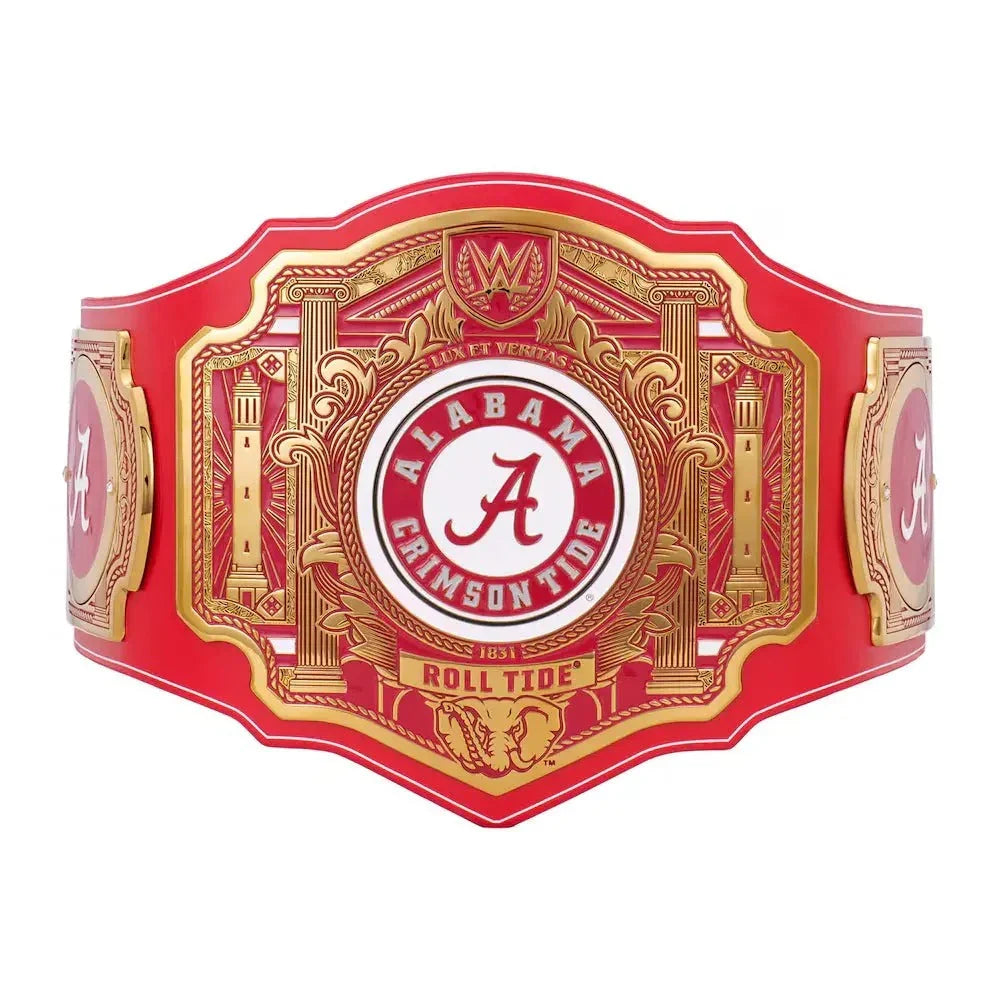
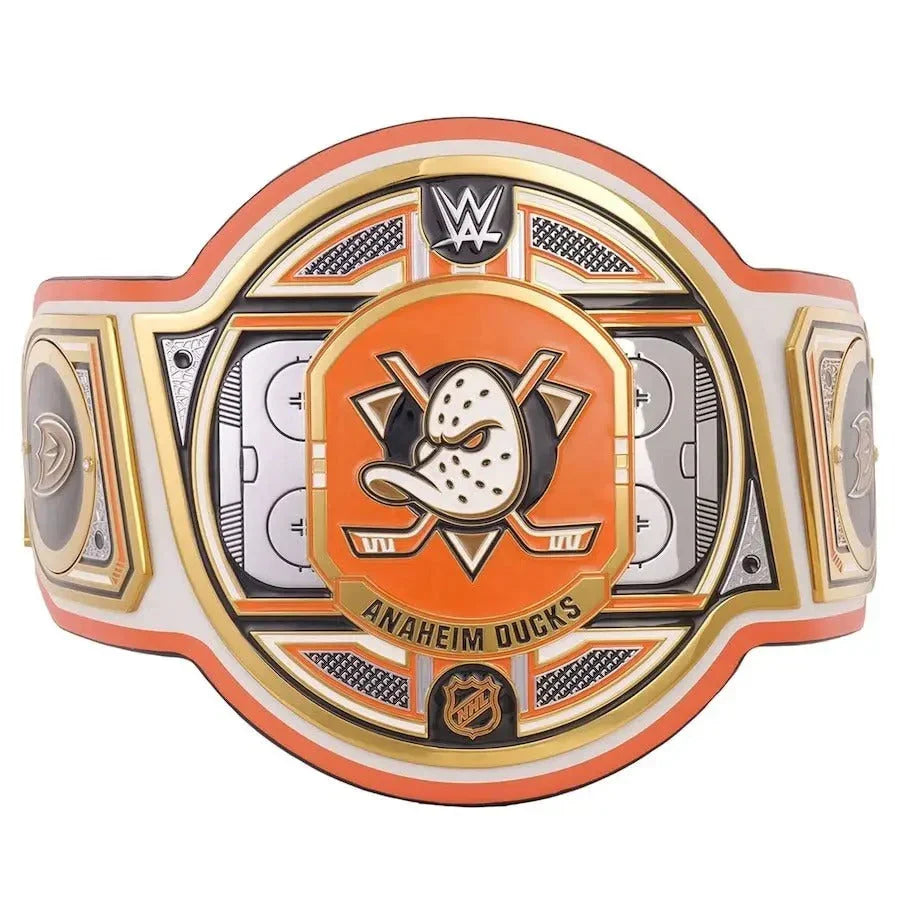
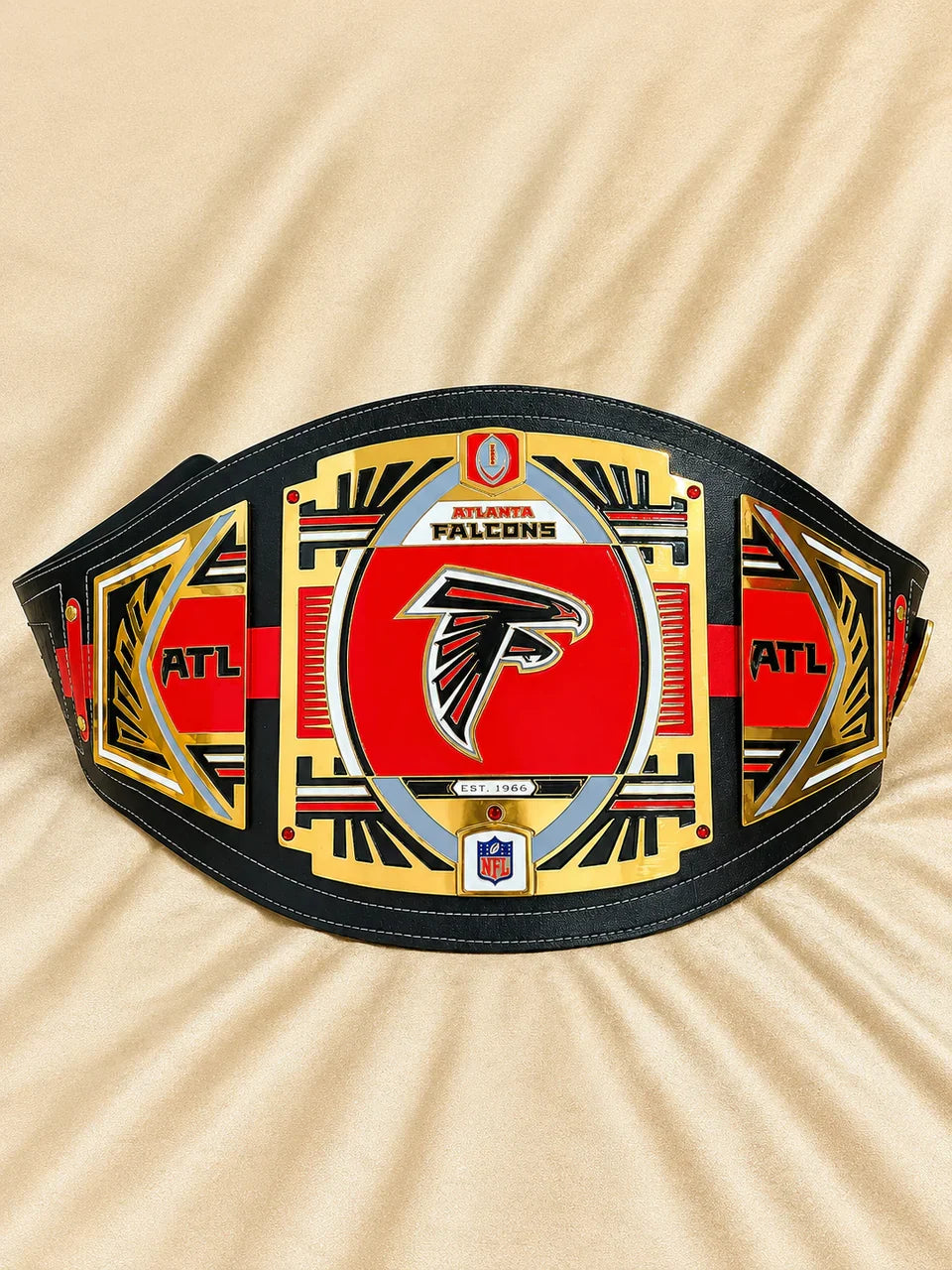
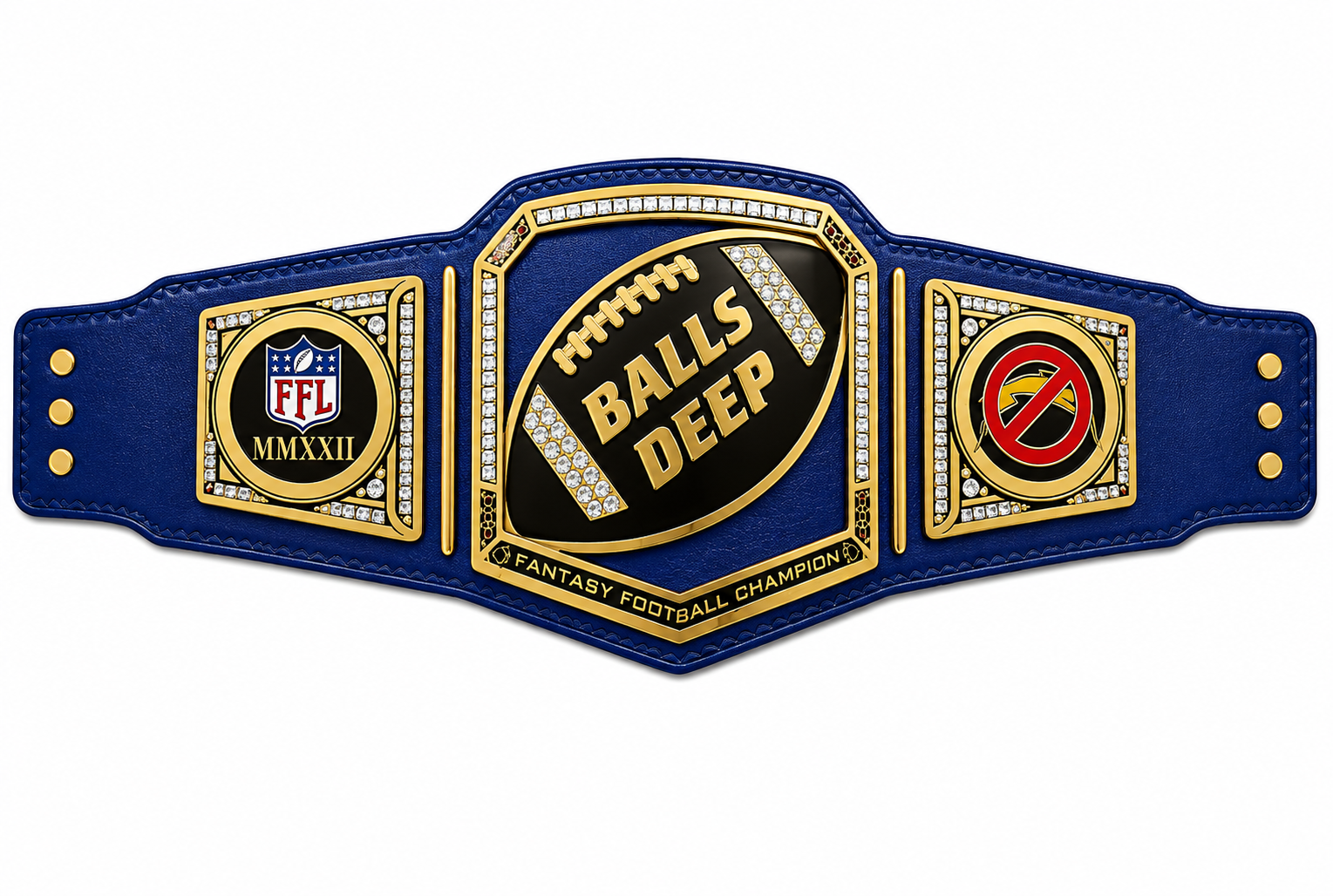
From raw metal and fresh leather to a finished belt that feels heavy, cold, and champion-ready, here's what a WWE belt is really made of, explained by the people who build them.
[ Shop WWE Title Belts →]
So, what are the WWE belts made of? A WWE title belt is made of brass or zinc alloy plates, finished with electroplated gold or silver, and mounted on a genuine leather strap, with enamel and crystal details on top. It is not solid gold.
We make championship belts ourselves. Below is what each material does, how the belt comes together stage by stage, and the small details that separate a belt that lasts for years from one that falls apart in months.
What Are the WWE Belts Made Of? The 7 Stages
Every title belt, whether it's a ring-worn original or a collector-grade replica, goes through the same core stages. What comes out depends on how well each stage is done.
| # |
Stage |
What Happens |
Material Involved |
| 1 |
Design & Reference |
Sketches and measurements to match the real proportions |
Zinc/Brass |
| 2 |
Mould or CNC File |
A die or digital cutting path is made from the final design |
Steel die / CAD file |
| 3 |
Casting or Machining |
Plates are cast or cut from solid metal |
Brass or zinc alloy |
| 4 |
Polishing & Prep |
Rough edges removed, surface buffed smooth |
Abrasives, cleaning bath |
| 5 |
Gold / Silver Plating |
A thin metal layer is bonded onto the plates |
Gold or silver |
| 6 |
Leather Strap |
Cut, shaped, edge-finished, snaps fitted |
Genuine leather |
| 7 |
Final Assembly & QC |
Plates attached, enamel and stones set, belt inspected |
Screws, enamel, crystals |
Total production time for a quality belt: 10 to 12 working days, depending on the design. Rushed belts squeeze or skip stages 4, 5, and 7, which is exactly where cheap belts fail.
How a WWE Belt Is Made: Step by Step
1. Design & Reference: Getting the Proportions Right
Every belt starts as a design. The logo size, the lettering depth, the border spacing, and how the side plates line up with the center plate all matter. Get any of these wrong and the belt looks "almost right" from far away and obviously off up close.
We work from multiple references, such as official photos and broadcast footage, before any metal is cut. Cheap makers often work from a single image and stretch it to fit.
From experience: Stretched logos and uneven letter spacing are the first giveaway of a rushed replica. Compare the plate against a clear reference photo.
2. Mould or CNC File Creation
Once the design is final, production goes one of two ways.
-
Die casting: A steel mould is made, and molten metal is injected into it. One mould can produce many identical plates, so it suits regular designs.
-
CNC machining: The design becomes a digital cutting path, and a machine carves the plate from a solid metal block. It takes longer per piece but gives sharper edges and suits one-off custom designs.
3. Casting or Machining: The Plates Take Shape
This is where the belt starts to exist physically. The two base metals you'll see most often are:
-
Zinc alloy: Captures fine detail well and is the most common choice for replicas.
-
Brass: Denser, with a naturally warm gold tone. Often used on premium and collector-grade belts.
Both are solid metal. A quality belt has no plastic cores and no hollow backs. That's where the weight comes from. A full-size belt generally weighs around 4 to 7 pounds, depending on the design.
4. Polishing & Surface Prep: The Stage Most Makers Skip
Right out of the mould, a plate has rough edges, seam lines, and tiny pores in the metal. If you plate over that, the gold sits on an uneven surface and starts to peel at the edges within weeks.
Proper prep means trimming, polishing in several steps, and cleaning the plate completely before it touches the plating bath.
How to spot skipped prep: Look at the raised edges in product photos. If the gold looks lighter, darker, or striped there, the surface wasn't prepared properly.
5. Gold & Silver Plating: How the Belt Gets Its Color
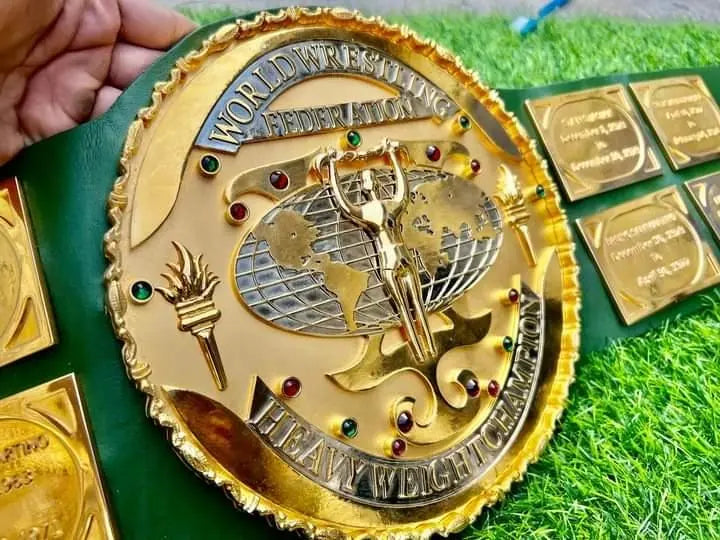
The shine comes from electroplating, the same process used in jewelry and trim. The plate is placed in a bath, and an electric current bonds a thin layer of gold or silver onto the surface. It's real plating, not paint or lacquer.
A good belt gets a properly built-up layer. A cheap one gets a single thin pass, which is why the color looks different and wears off faster.
Brass tends to give a warmer, richer gold tone, while zinc plates to a brighter gold. Both are correct. They just have a different character.
[ See the Difference Proper Plating Makes: Shop Gold-Plated Title Belts →]
6. Leather Strap: Cutting, Shaping & Assembly
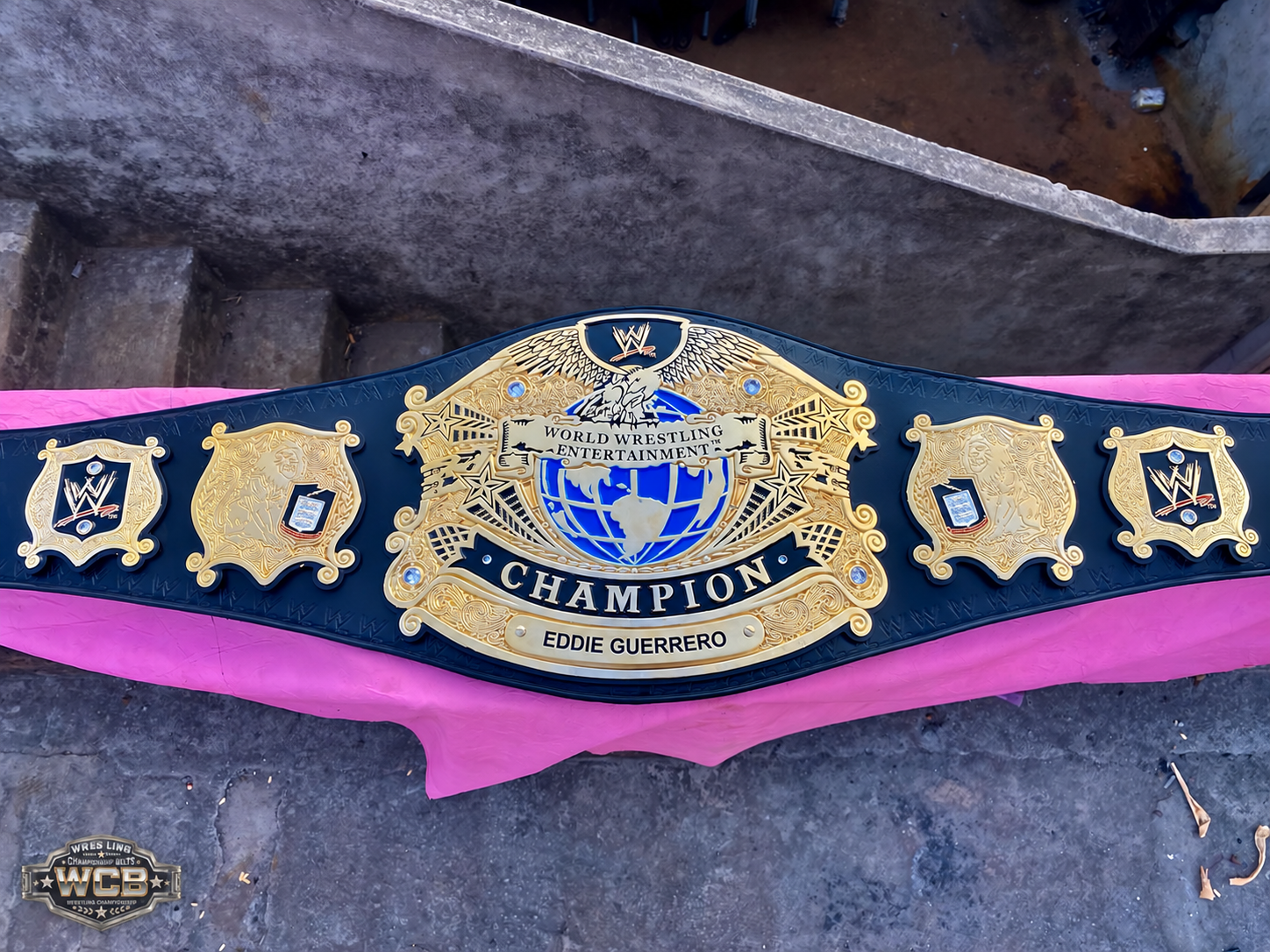
The strap is the part you handle every time, so it needs to flex without cracking and hold its shape. Official belts use genuine leather, which is cut to size, has its edges finished so they don't fray, and gets snap closures fitted. Good straps are also shaped to curve around the body instead of lying flat.
Cheaper replicas often use vinyl or PU instead.
Leather vs. vinyl test: Press your thumbnail into the strap. Real leather shows a small mark that fades slowly. Vinyl bounces back immediately. On the cut edge, leather shows natural fibers, while vinyl looks smooth and foamy.
7. Final Assembly, Enamel, Stones & Quality Check
Here the belt becomes the belt. The plates are attached to the strap with screws, which hold firmly and can be tightened later. Glue or cheap rivets are faster but weaker.
Then comes the detail work:
-
Enamel is applied by hand to the colored areas, left to cure, and polished flush.
-
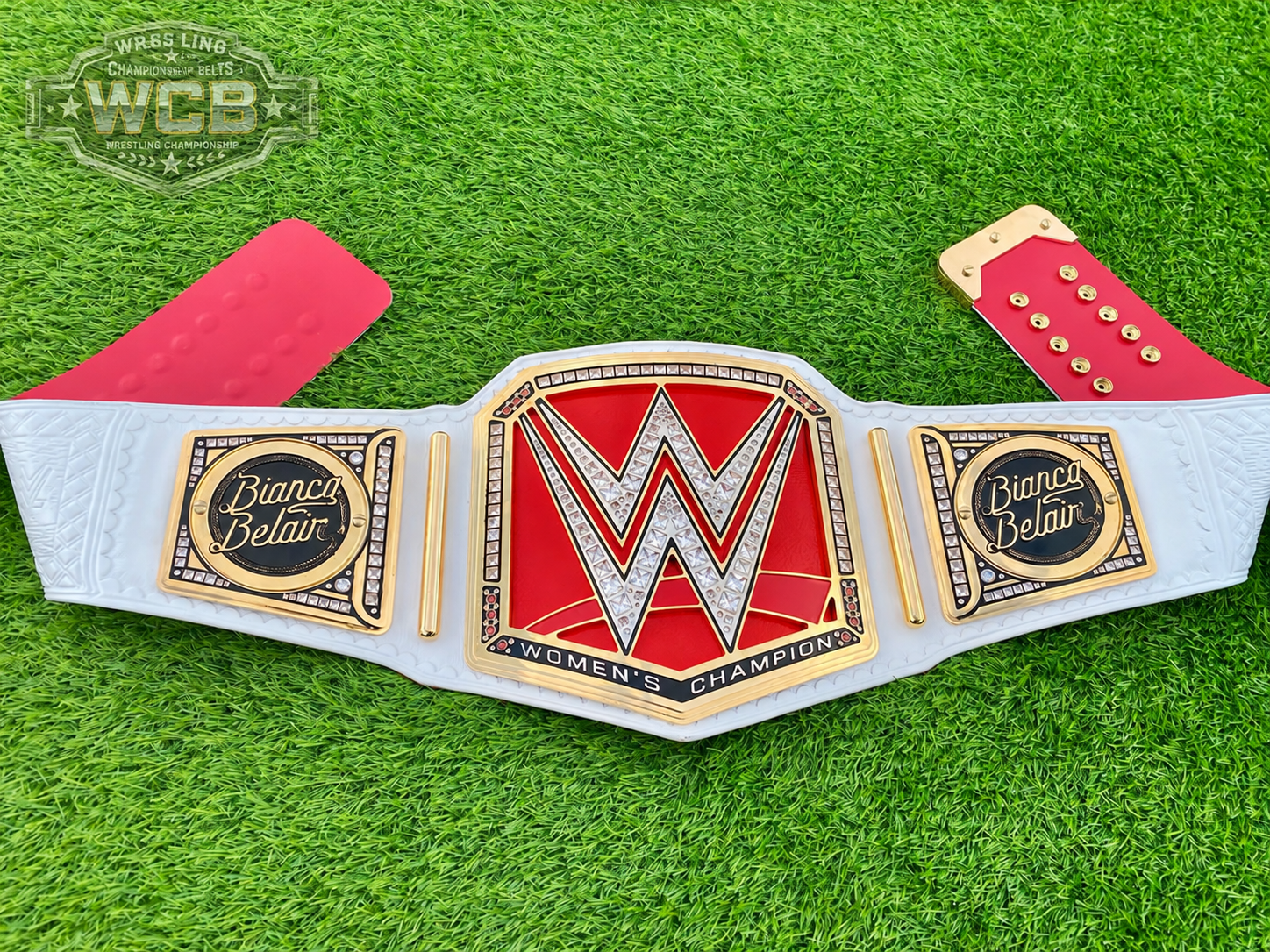
Crystals or cubic zirconia stones are set last, if the design includes them.
-
Final inspection covers plate alignment, plating consistency, snap function, stitching, and weight. A belt that fails any check goes back.
A belt built correctly at every stage feels different the moment you pick it up. The weight is right, the metal is cold, and the strap sits naturally.
Are WWE Belts Made of Real Gold?
No. The gold is a plated layer, measured in microns, over a brass or zinc base. Solid gold would be too soft (it would scratch and dent), too heavy, and far too expensive for a belt used every week. Even the famous Million Dollar Championship, made for Ted DiBiase, was reportedly gold-plated and covered in crystals, not solid gold.
Who Makes the Real WWE Belts?
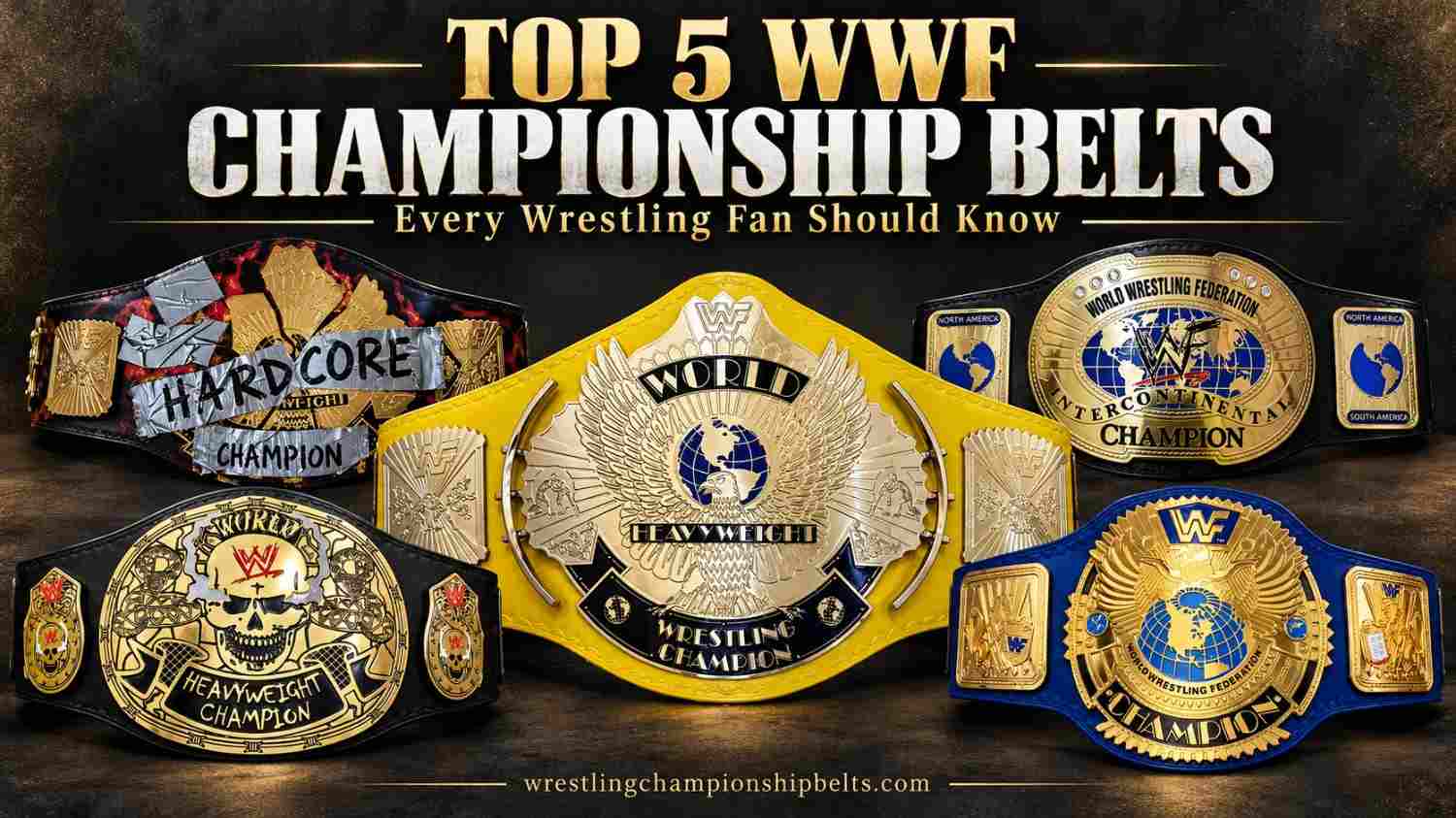
WWE belts come from small, specialist workshops, not big factories. Reggie Parks, the craftsman behind the Winged Eagle belt, is one of the most famous names in the business. Dave Millican, who learned from Parks, is known as one of WWE's main belt makers today.
Because so much is done by hand, ring-worn belts are reported to cost anywhere from a few thousand dollars to well over $10,000 to produce, depending on the design and stones. That's also why they aren't sold to the public.
Real WWE Belt vs. Replica Belt: What's Actually Different?
This is one of the most common questions we get, and the answer depends on which replica you're comparing.
Ring-Worn WWE Original
- Made by specialist craftsmen with lots of handwork
- Brass or zinc plates with gold or silver plating
- Genuine leather strap
- Decorative crystals
- Used on TV, never sold publicly
- Reported cost: thousands to $10,000+
Quality Replica (What We Make)
- Solid metal plates, not plastic
- Real electroplating, not spray coating
- Genuine leather strap, not vinyl
- Proportions matched to reference
- Cubic zirconia or crystal-style stones
- Accessible price, no compromise on build
The gap between an original and a quality replica is mostly provenance, handcraft, and price. The gap between a quality replica and a cheap one is materials and process. Plastic plates, spray paint, vinyl straps, and skipped polishing are the shortcuts cheap belts take.
WWE Belt Materials at a Glance
-
Plates: Brass or zinc alloy. Solid metal, never plastic or hollow on a quality belt.
-
Plating: Electroplated gold or silver, applied over a polished, cleaned surface.
-
Strap: Genuine leather, finished edges, shaped to fit the waist.
-
Stitching: Strong thread at stress points, especially plate edges and strap ends.
-
Hardware: Snaps and screws that match the plate finish.
-
Enamel: Hand-applied color fills, cured and polished flush.
-
Stones: Decorative crystals or cubic zirconia, not diamonds.
How We Build WWE-Style Belts at [Brand Name]
Here is what we do at each stage and how it applies to every belt we make.
-
Design accuracy: We check proportions against multiple references before cutting.
-
Plate material:
[Zinc alloy / brass: confirm], minimum 2mm thickness. No hollow backs, no plastic inserts.
-
Surface prep: Every plate is polished and cleaned before plating.
-
Leather:
Genuine leather on every strap.
-
Assembly: Plates attached with screws, snaps tested, enamel finished flush.
-
Quality check: Every belt is inspected before it ships.
Frequently Asked Questions: What WWE Belts Are Made Of
What are the WWE belts made of?
Brass or zinc alloy plates with electroplated gold or silver, mounted on a genuine leather strap, with enamel and decorative stones as finishing details.
Is the gold on a WWE belt real gold?
It's real plating, but not solid gold. The layer is very thin and sits on a brass or zinc base. This is standard across jewelry and trophy making.
Are the stones on WWE belts real diamonds?
Generally no. They're decorative crystals or cubic zirconia.
How heavy is a WWE belt?
Full-size metal belts generally weigh around 4 to 7 pounds, depending on design and plate thickness.
How long does it take to make a WWE-style belt?
Ring-worn originals can take weeks because so much is handmade. A quality replica takes 10 to 12 working days with us, depending on the design.
Who makes WWE championship belts?
Small specialist workshops. Reggie Parks and Dave Millican are two of the best-known names.
What's the difference between a cheap replica and a quality replica?
Cheap replicas use plastic or hollow plates, spray coating, vinyl straps, and skip surface prep. Quality ones use solid metal, real plating, and genuine leather.
Can I order a custom belt built the same way?
Yes. We build custom belts from your design using solid metal plates, proper plating, and a genuine leather strap. Start on our [Custom Order page].
See These Materials in a Finished Belt
Browse the collection, start a custom design, or message us if you have a specific project in mind.