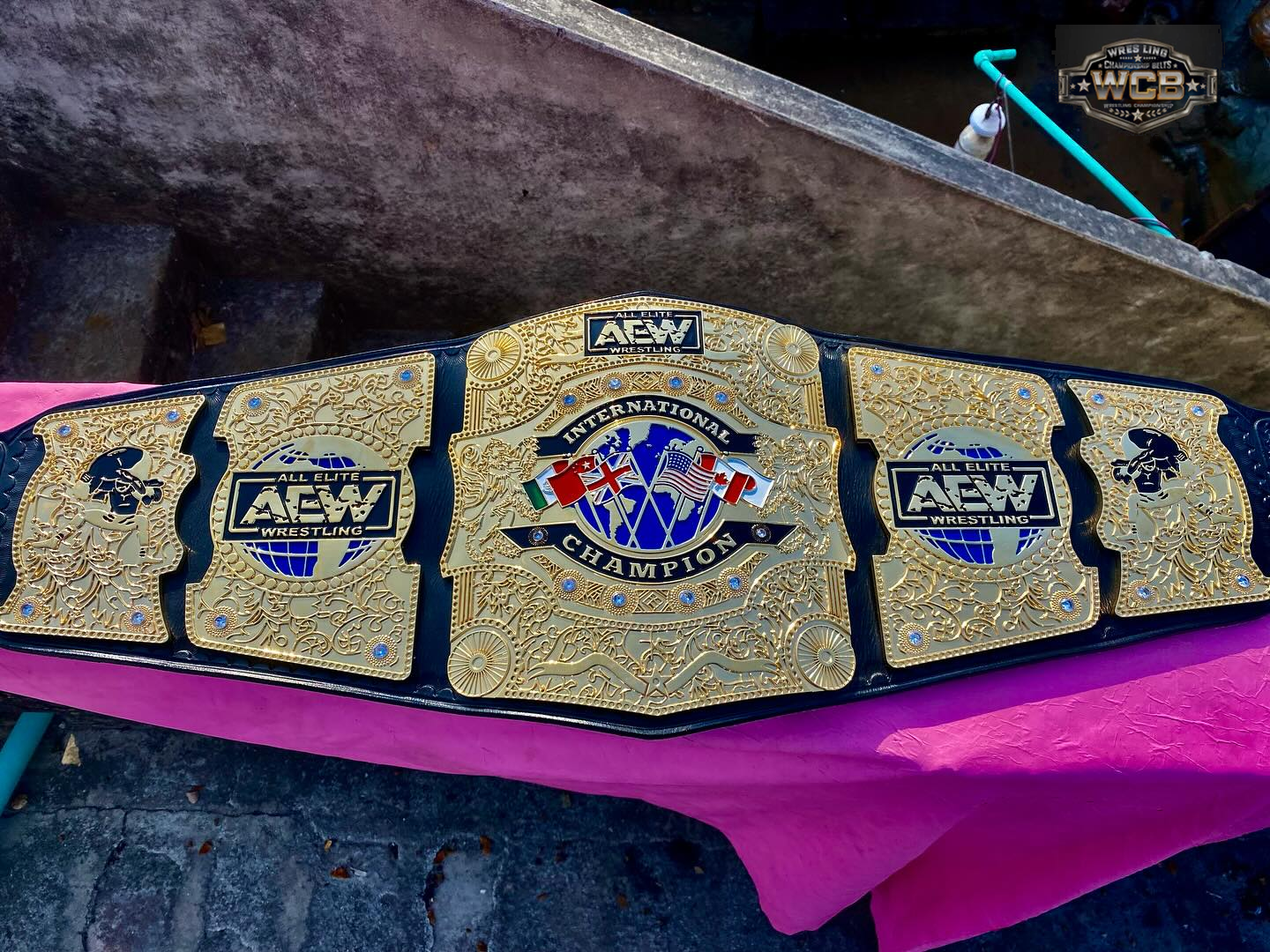
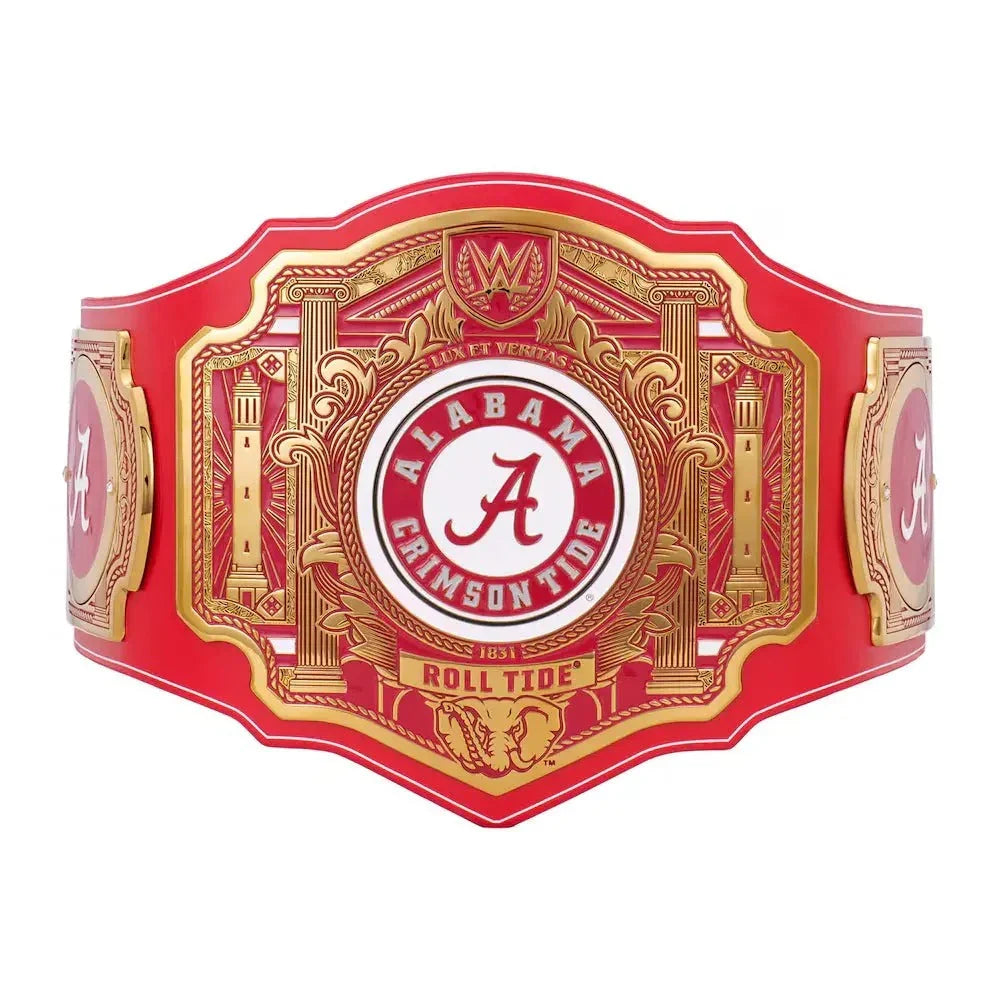
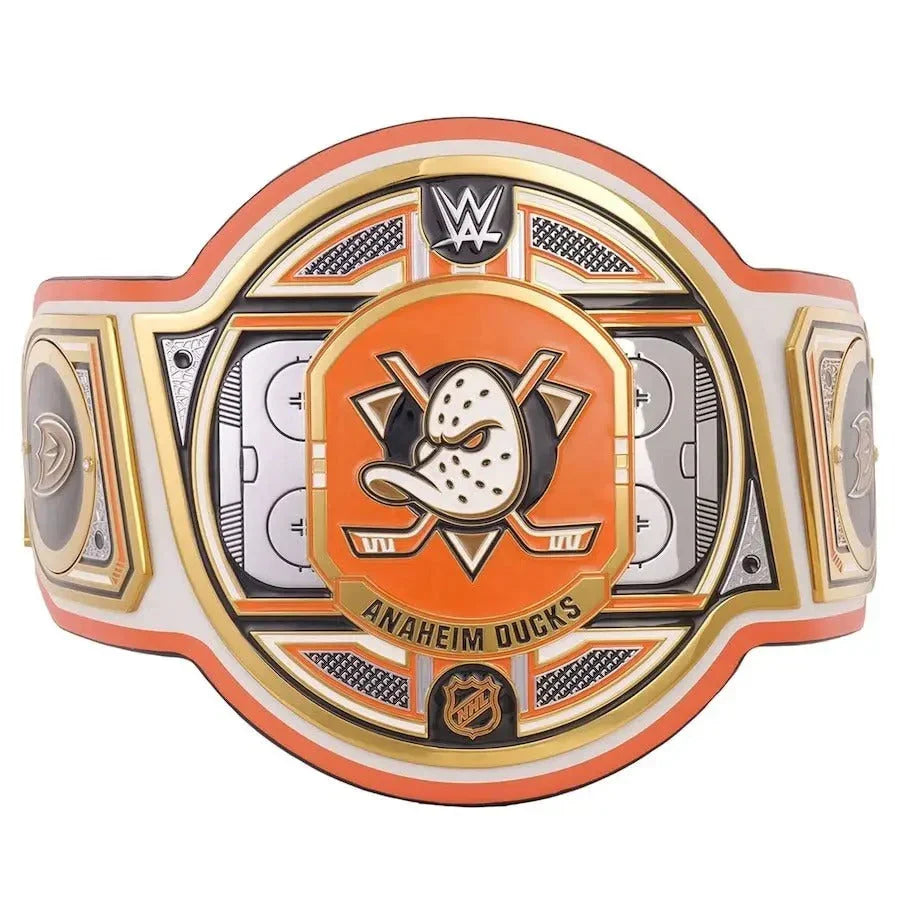
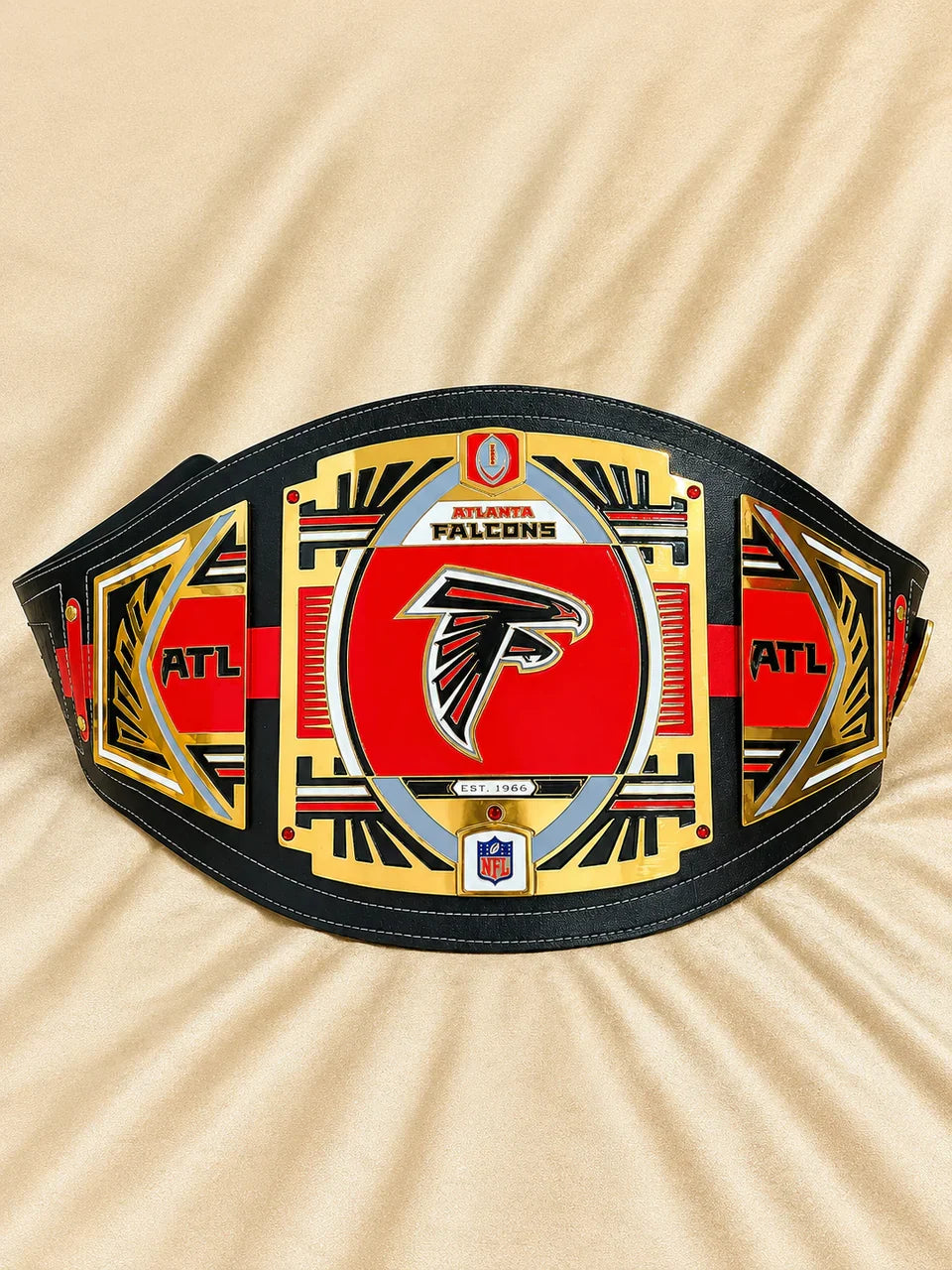
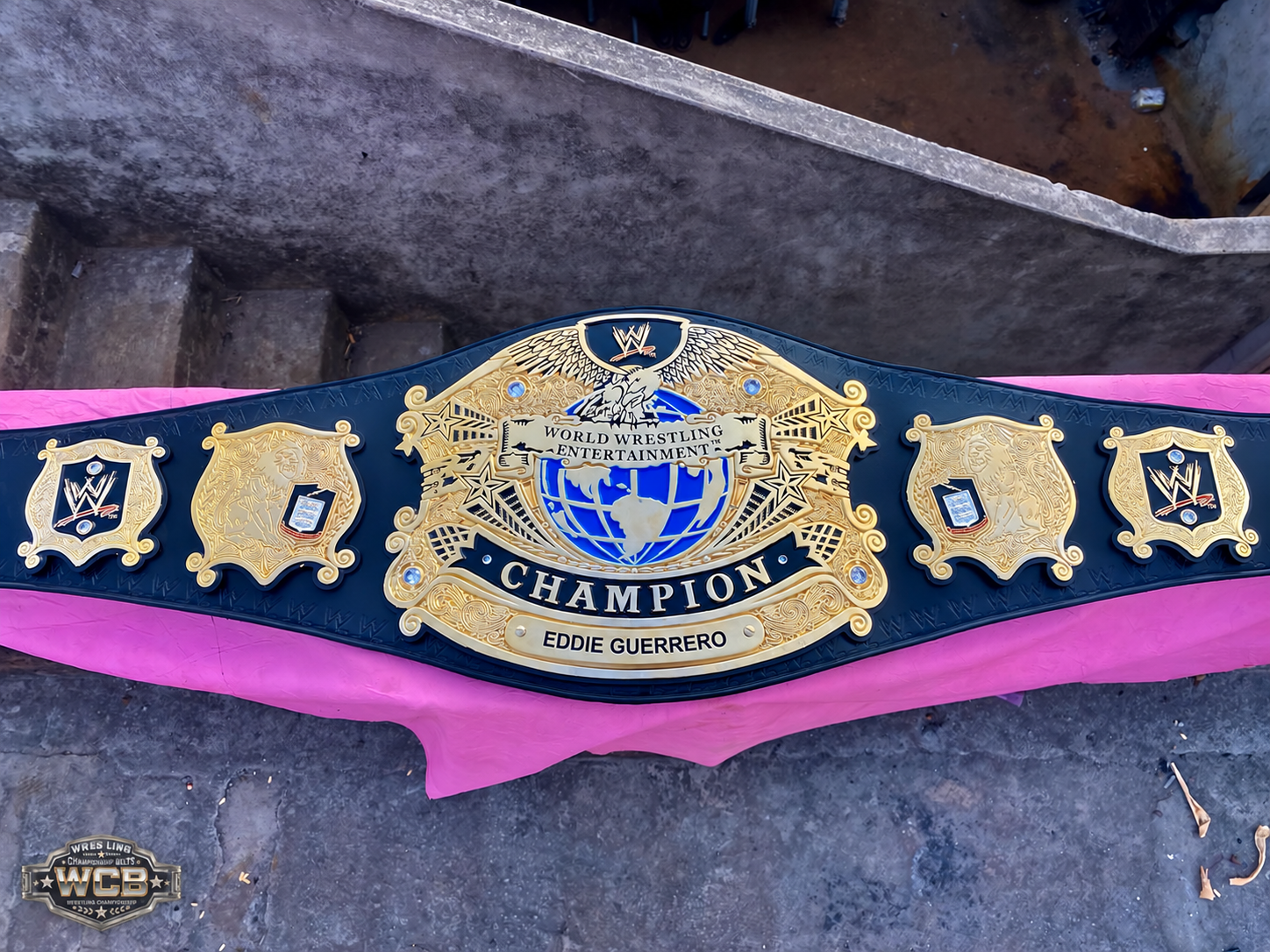
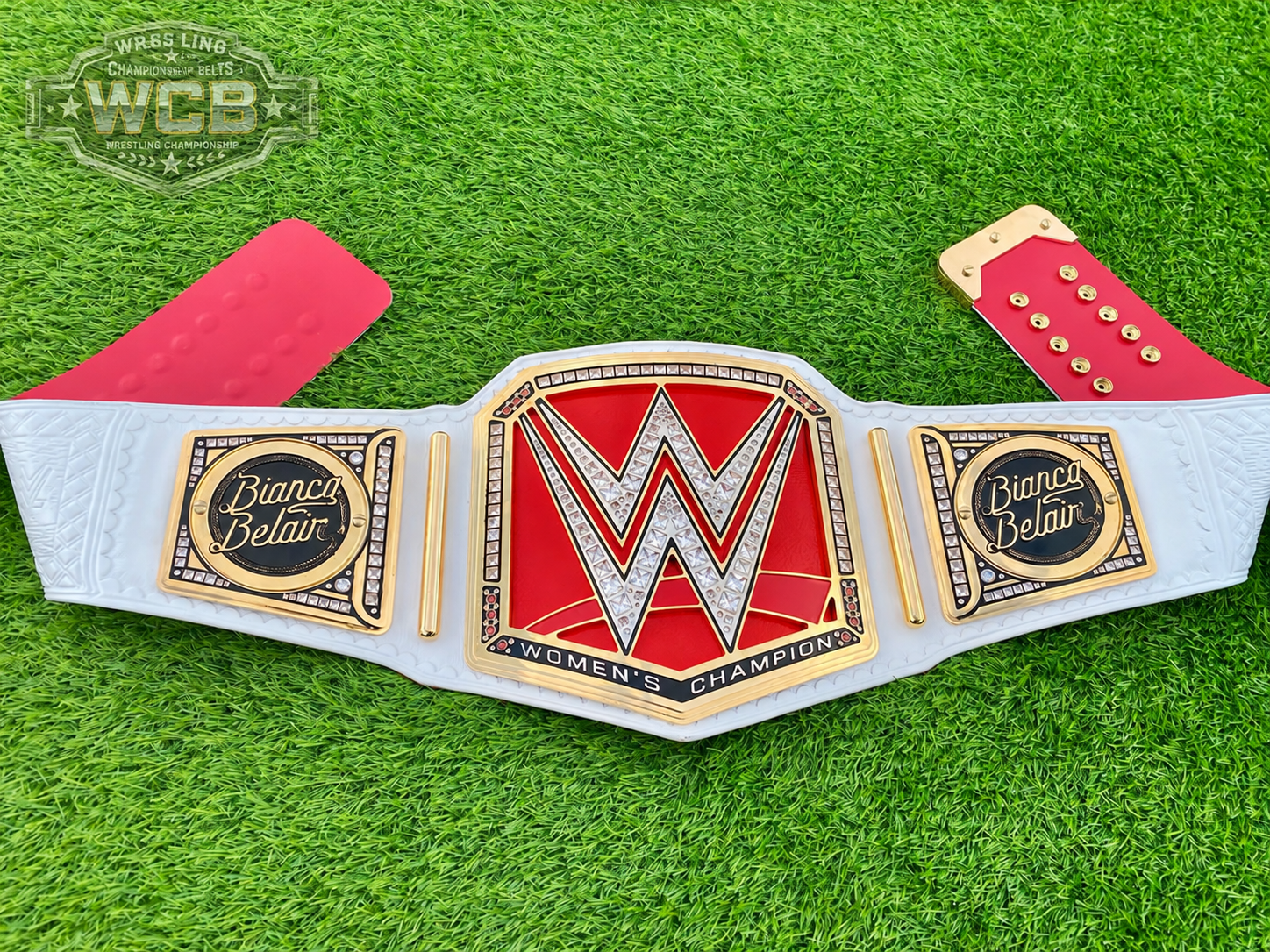
You spent real money on a championship belt — real metal plates, genuine leather strap, hand-finished engraving. Then it sits on a shelf collecting dust, or worse, gets tossed in a car trunk on the way to a convention. A belt bag isn't an accessory you buy for the belt. It's insurance for the money you already spent.
Here are seven concrete reasons owners end up needing one, usually right after the first scratch shows up.
1. Metal Plates Scratch Faster Than You'd Think
Championship belt plates are typically zinc or brass under a gold-tone finish, and that finish is thinner than it looks. A single slide across a wood shelf, a stack of belts touching plate-to-plate, or a car seat buckle brushing against it during transport is enough to leave a visible scuff. Once the gold plating scratches through to the base metal underneath, there's no polishing it back — it's a permanent mark. A padded bag keeps plates separated and cushioned, which is the only real prevention once the belt is out of the box.
2. Leather Straps Dry Out and Crack With Exposure
The strap is usually the first part of a belt to show its age, and it's almost always from environmental exposure rather than use. Sunlight breaks down leather fibers over time, and dry indoor air (especially with heating or AC running constantly) pulls moisture out of the material until it starts to crack at the fold points. A belt bag blocks direct light and reduces the temperature and humidity swings that cause most of this damage — the same reason people store leather jackets in garment bags instead of hanging them in direct sun.
3. Dust Buildup Is Worse Than It Looks
An open display looks great for the first month. After that, dust settles into every engraved groove on the plates, and it's genuinely difficult to clean back out without a soft brush and real patience. Fine dust particles are also mildly abrasive — wiping a dusty plate with a dry cloth can create the same micro-scratching you're trying to avoid in the first place. A closed bag keeps the belt display-ready without needing a deep clean every time you want to show it off.
4. Belts Get Damaged in Transit More Than at Home
If you're taking a belt to a wrestling event, a photo shoot, a convention, or just handing it off for a friend's party, transit is where most real damage happens — not display. Belts sliding around in a car trunk, getting stacked under other bags, or bouncing around in checked luggage is a fast way to bend a side plate or crease a strap permanently. A padded bag with a secure zipper is built specifically to absorb that kind of movement, which loose packing never does.
5. It Protects Your Resale Value
Whether you're planning to sell down the line or just want to keep a belt in trade-worthy condition, condition is everything in the replica and memorabilia market. A belt with light scratching, a faded strap, or bent plates sells for noticeably less than one that's been stored properly — buyers in this space know exactly what to look for. A bag that's been protecting the belt since day one is often the difference between a "like new" listing and a "well used" one.
6. It Makes the Belt Actually Portable
A belt on a wall mount or stand is great for display, but it's not going anywhere with you. If you're a collector who brings belts to conventions, a coach who wants to hand a title to a player, or a content creator who films with your belt regularly, you need something that can survive being packed, carried, and unpacked repeatedly without the belt taking the wear. A dedicated bag with a shoulder strap or handle makes that realistic instead of risky.
7. It's Cheaper Than Fixing or Replacing the Belt
This is the practical math a lot of buyers skip. A quality protective bag costs a small fraction of what a replacement belt or professional repair runs — and metal plate damage in particular is rarely something you can fix at home. Spending a little upfront on proper storage is consistently cheaper than dealing with a scratched plate, a cracked strap, or a full replacement later.
What to Look for in a Belt Bag
Not all belt bags are built the same. Before buying, check for:
-
Padded interior — soft lining (micro-suede or foam) that actually cushions the plates, not just a thin fabric liner
-
Durable exterior — faux leather or reinforced nylon that resists scuffs itself
-
Secure closure — a real zipper, not just a drawstring or velcro flap that can work loose in transit
-
Enough length — most adult championship belts run 50+ inches, so make sure the bag is sized for a full-length strap, not just the plates
-
Portability — a handle or strap if you plan to actually carry the belt anywhere, not just store it
Protect What You Already Paid For
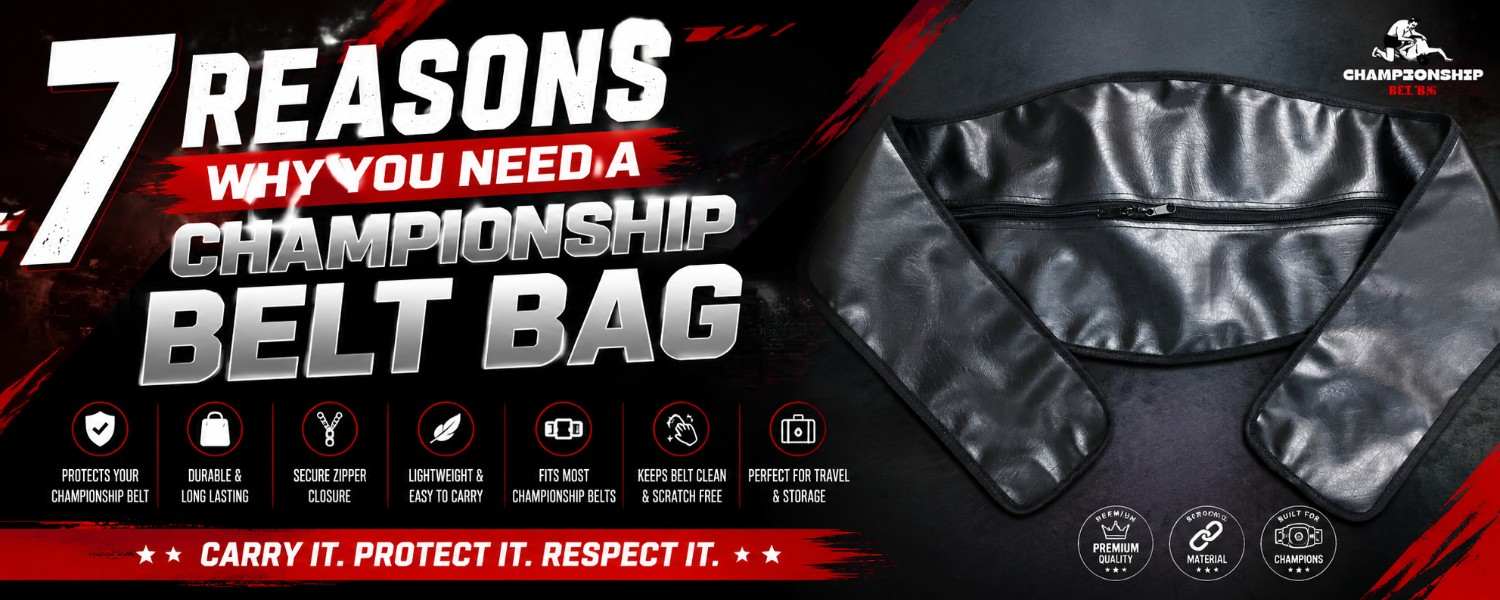
If your belt is still sitting out in the open, our Faux Leather Protective Championship Belt Bag is built with a cushioned interior and durable faux leather exterior specifically for this — sized to fit standard replica belts and reinforced for both storage and travel.
A great belt deserves better than a shelf and hope. Seven reasons in, the case for a bag isn't really a debate — it's just protecting money you've already spent.