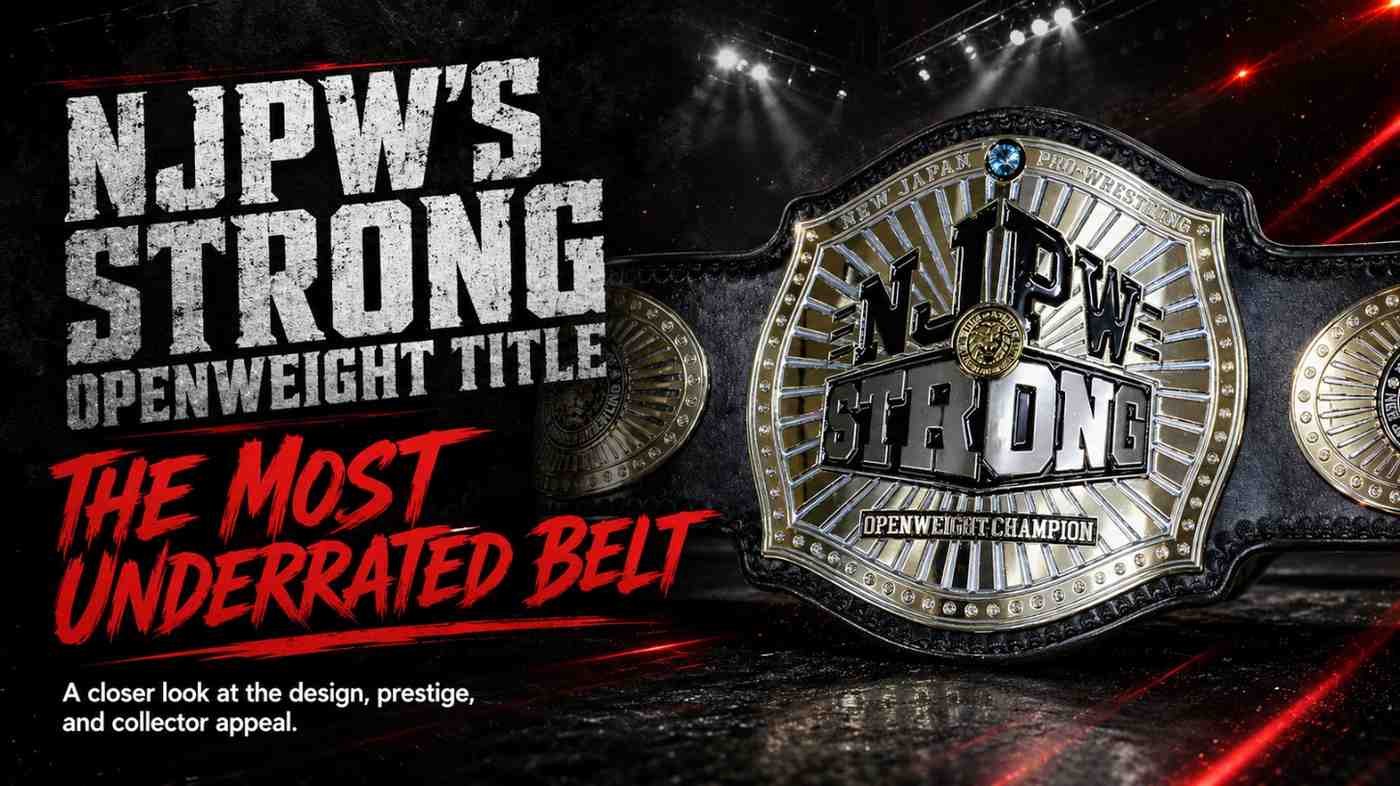
Ask a casual wrestling fan to name NJPW's top championships, and you'll hear the same three answers every time: IWGP Heavyweight, IWGP Global Heavyweight, maybe IWGP Junior Heavyweight if they're paying close attention. Almost nobody brings up the Strong Openweight Championship first. That's the problem — and honestly, it's the reason this title deserves a second look.
Having tracked NJPW Strong's weekly output for years now, one thing has become obvious: this belt does more storytelling work per minute of TV time than almost anything else the promotion puts out. It just doesn't get credit for it.
It Doesn't Get the Marketing the Big Titles Get
The IWGP Heavyweight Championship headlines Wrestle Kingdom. It gets the graphics package, the pre-show hype video, the "this changes everything" commentary treatment. The Strong Openweight Championship, by contrast, mostly gets defended on a Saturday night TV taping with a fraction of the promotional push.
That's not a knock on the wrestling — it's a scheduling reality. NJPW Strong runs on a smaller stage than the flagship Japanese cards, and titles built for that stage inherit its lower profile by default, regardless of match quality.
The Champions Have Been Genuinely Underrated Talents
Look at the list of people who've carried this belt: Tom Lawlor, KENTA, Eddie Kingston, Gabe Kidd, Tomohiro Ishii, and now Oleg Boltin, who won the title from Ishii at The New Beginning USA in February 2026. None of these are B-tier wrestlers. Every one of them is someone a hardcore fan would call a "workhorse" — the kind of performer who makes a title feel earned rather than handed out.
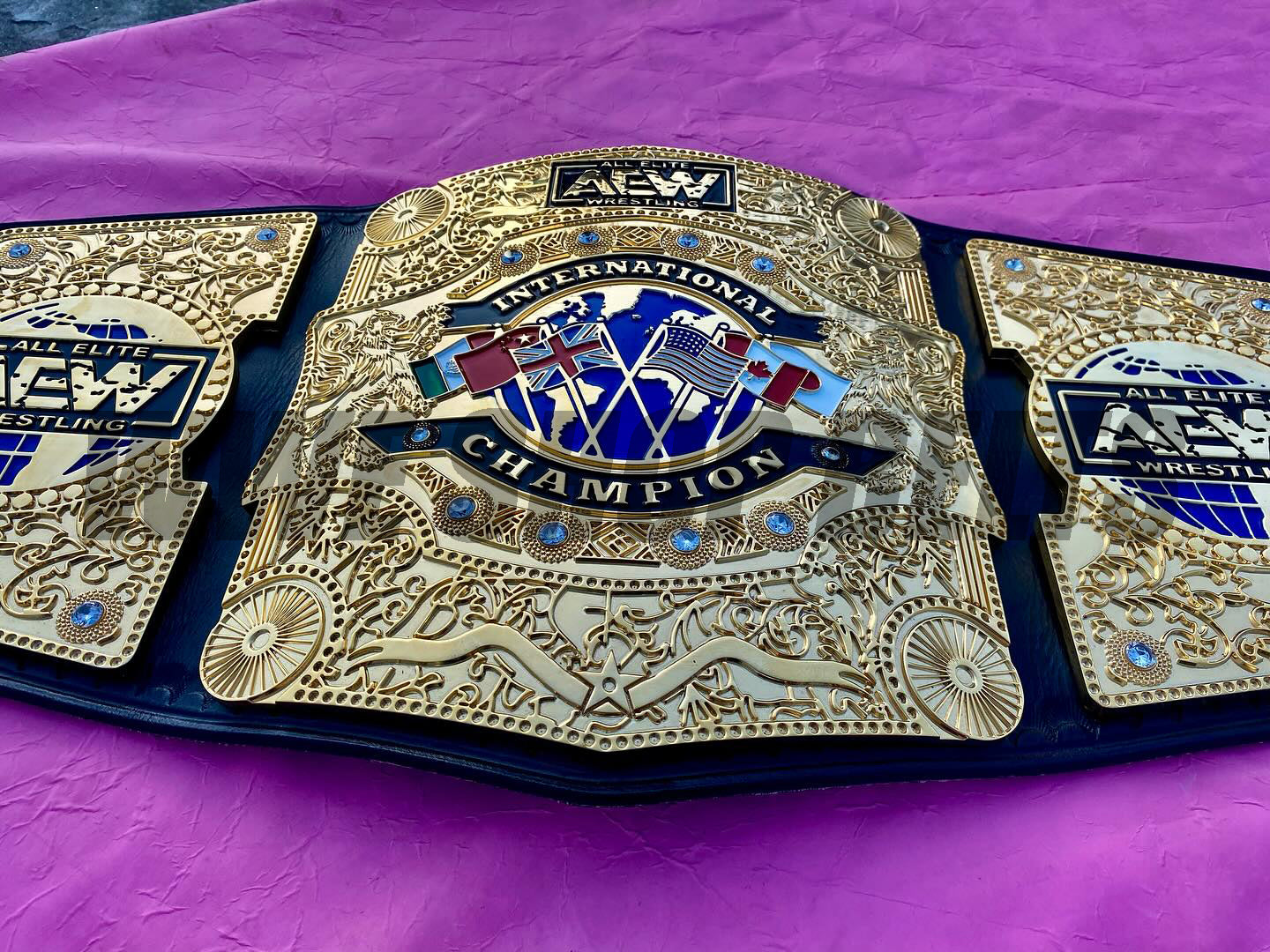
Eddie Kingston's reign in particular deserves more historical weight than it gets. During that stretch, the Strong Openweight Championship became one-third of AEW's Continental Crown, standing alongside the AEW Continental Championship and the ROH World Championship. For a brief period, this "secondary" NJPW belt was literally tied to the top prize of a rival promotion's biggest annual tournament. That's not a footnote — that's a title punching well above its perceived weight class.
Openweight Rules Make for Better Matches, Not Just Different Ones
Most fans think "openweight" just means "no weight limit." What it actually does is remove a built-in excuse for match layout. A junior heavyweight challenging for the IWGP Junior title knows their opponent is roughly their size. A challenger for the Strong Openweight belt might be facing someone fifty pounds heavier the following month.
That constraint forces creativity. Champions have to adjust their entire offense based on who's across the ring — speed against a bigger opponent, power against a smaller one. It's a built-in stylistic variety that heavyweight-only or junior-only titles simply can't replicate, and it's part of why the matches under this belt rarely feel repetitive.
It's a Title With a Clean, Traceable History
For a promotion with championship lineages that sometimes stretch back decades and get complicated by unifications, the Strong Openweight Championship is refreshingly easy to follow. It was created in 2021, every reign is well documented, and there's no confusing merger history to untangle. For newer fans — or for collectors trying to research a belt before buying a replica — that clarity is genuinely useful. You can trace this title from its first champion to today without needing a spreadsheet.
Love NJPW titles? Explore our full range of IWGP Championship belt replicas — built for fans who want more than just a photo on the wall.
Frequently Asked Questions
Is the Strong Openweight Championship a top-tier NJPW title? It sits below the IWGP Heavyweight and IWGP Global Heavyweight titles in the promotion's hierarchy, but it functions as the top singles title specifically on the NJPW Strong brand.
Who is the current Strong Openweight Champion? Oleg Boltin, who defeated Tomohiro Ishii for the title at The New Beginning USA on February 27, 2026.
Why did this title cross over into AEW and ROH? During Eddie Kingston's reign, the belt became part of AEW's Continental Crown alongside the AEW Continental Championship and ROH World Championship, allowing it to be defended across all three promotions.
Worth Following From Here
The Strong Openweight Championship isn't underrated because it's lesser — it's underrated because it's easy to miss if you're only watching the marquee Japanese shows. Follow a few Strong Openweight title matches back to back, though, and it's hard not to come away thinking this belt deserves a bigger seat at the table.
If you've been sleeping on this title, now's a good time to start paying attention — catch NJPW Strong's next taping, or take a closer look at the belt's design and history if you're considering it for your own collection.