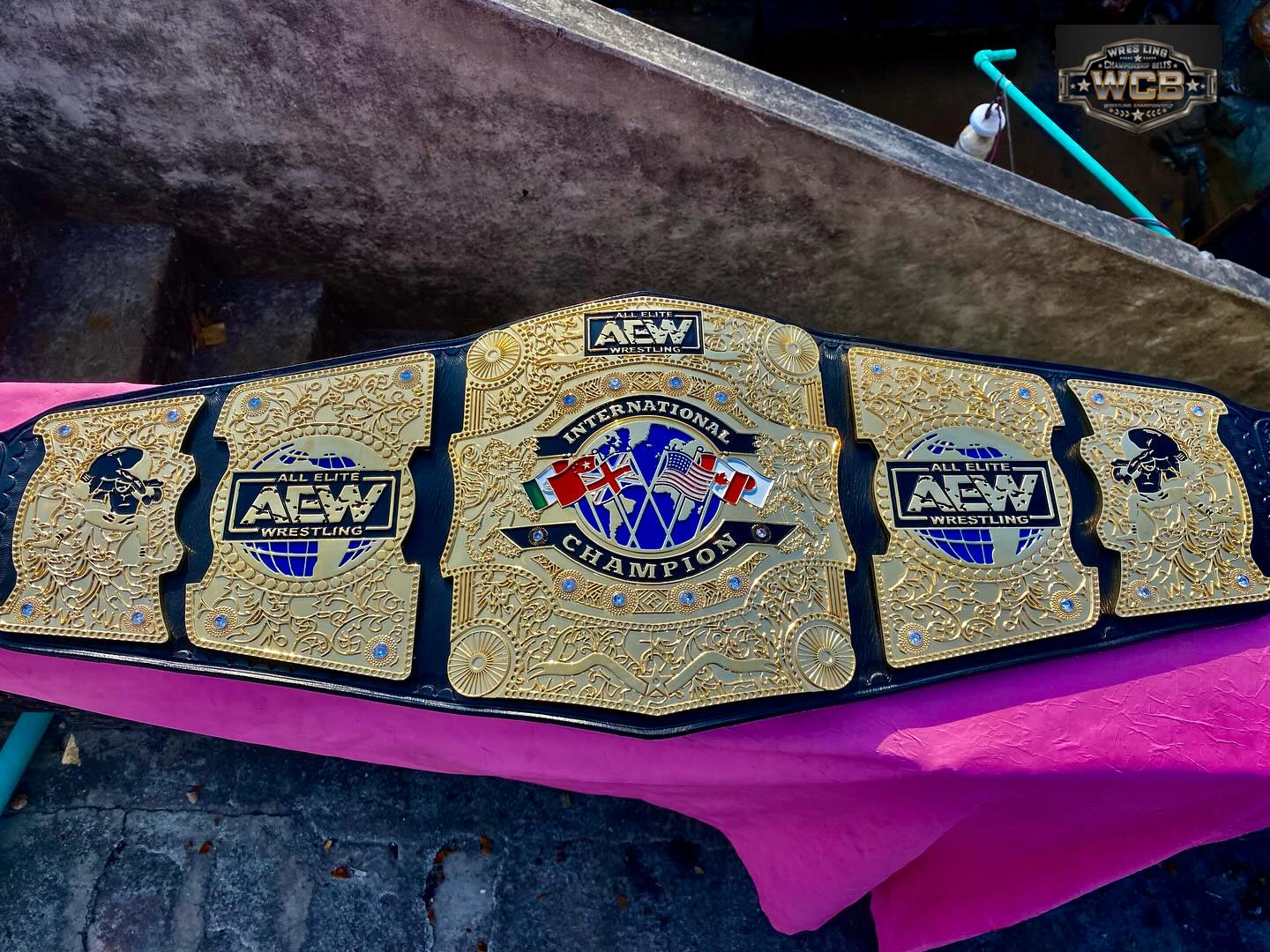
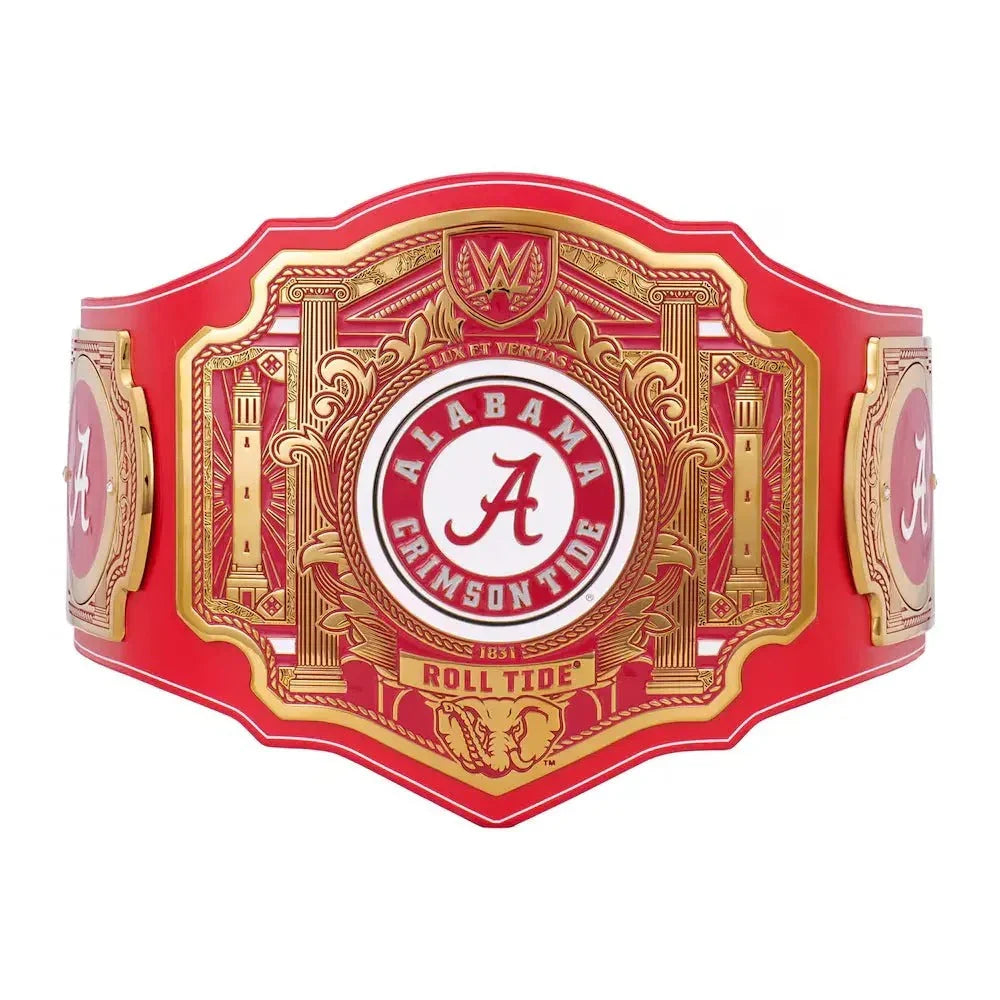
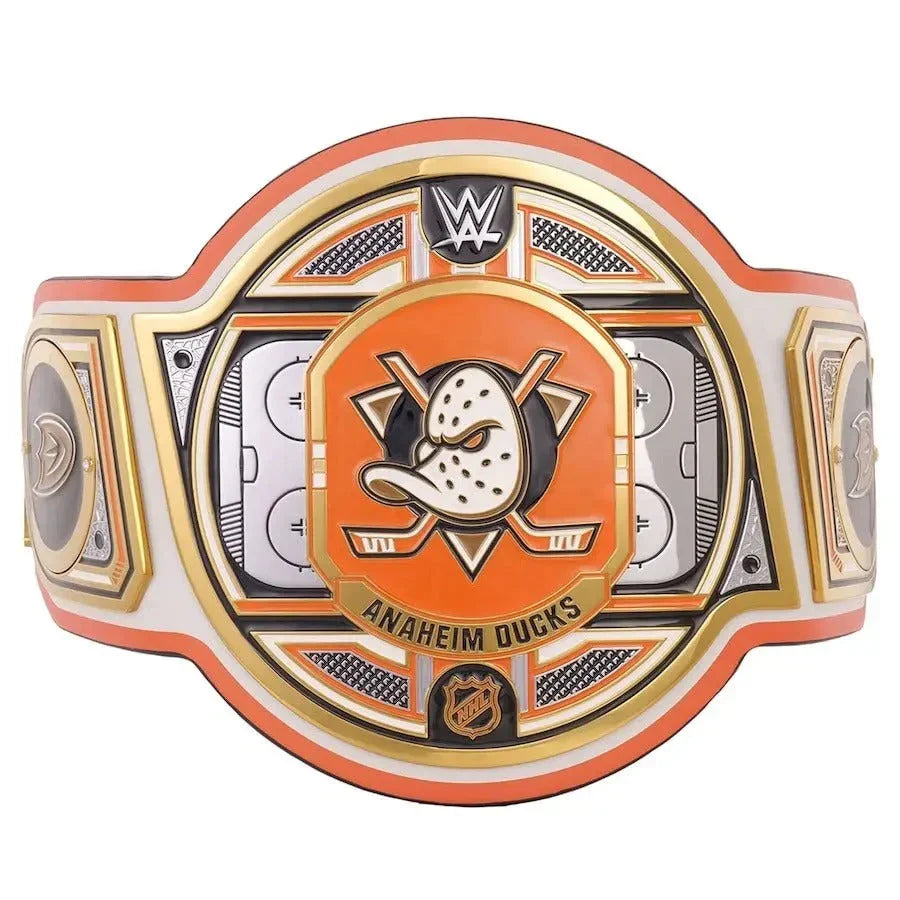
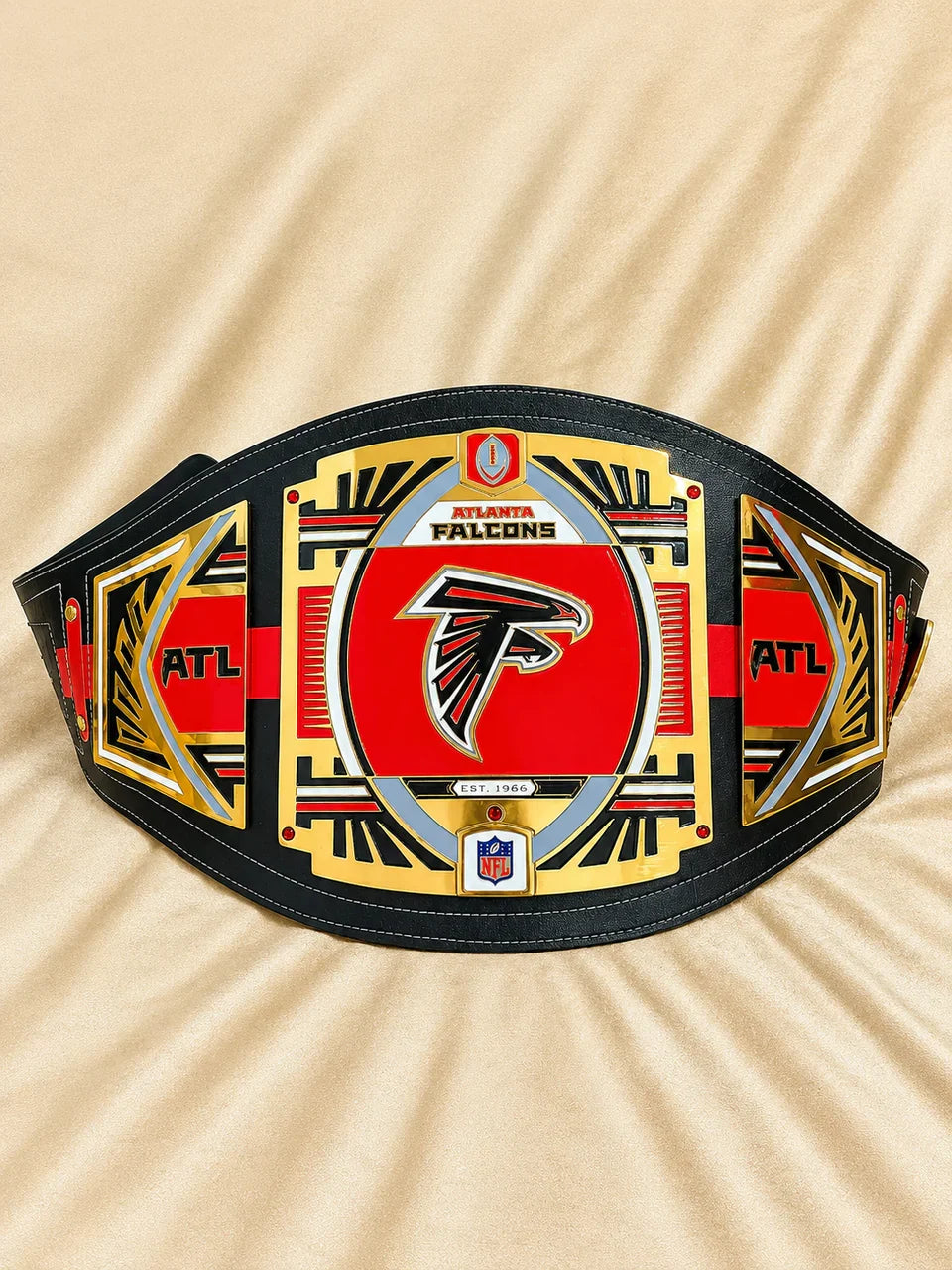
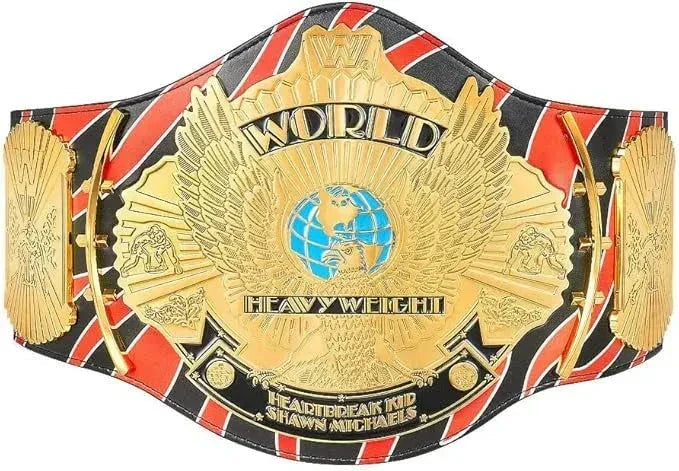
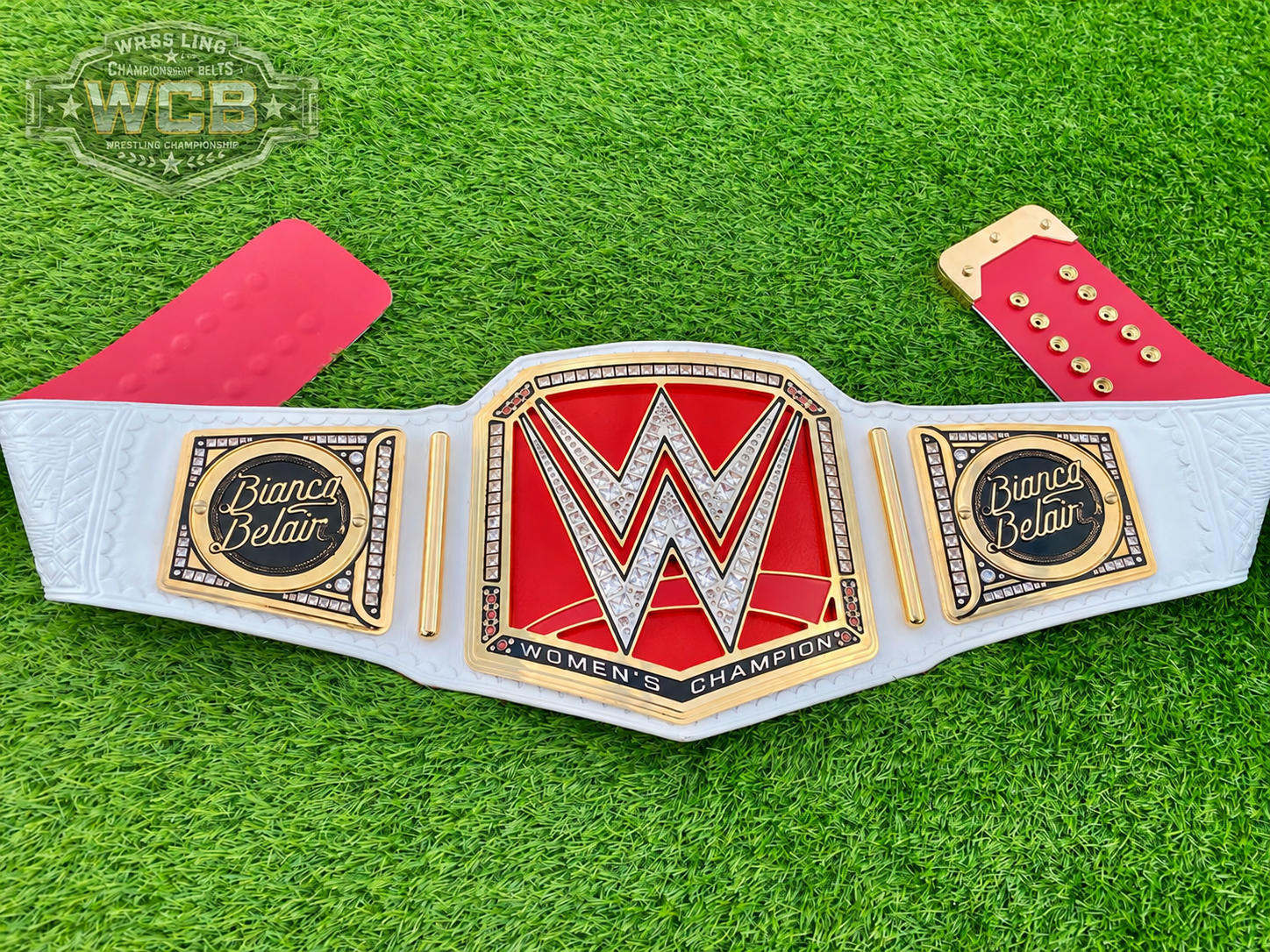
Most "best belt" lists just rank designs. Winged Eagle, Big Gold, Spinner — you've seen the same rankings everywhere. That's not what this is. If you're actually about to spend your own money, you don't need someone's opinion on which belt looks cooler. You need to know what you're paying for, and where your money stops making a real difference.
So let's talk about what "quality" actually means on a replica belt, and where the real value sits.
The Short Answer
For most buyers, the best value sits in the 4mm zinc-alloy range with a genuine leather strap. That's the point where the belt looks and feels close to the real thing, without paying premium prices for detail most people won't notice from more than a few feet away. Go thinner and you'll feel the difference in your hands. Go thicker (6mm–8mm CNC) and you're paying for a level of finish that mostly matters to serious collectors and display pieces.
What Actually Drives the Price of a Belt
Every belt is built from the same handful of variables. Once you understand these, you can judge any listing yourself instead of trusting marketing copy.
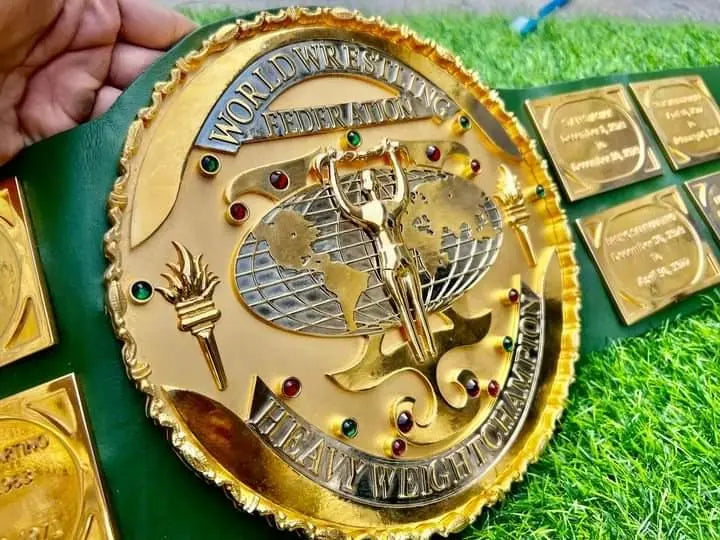
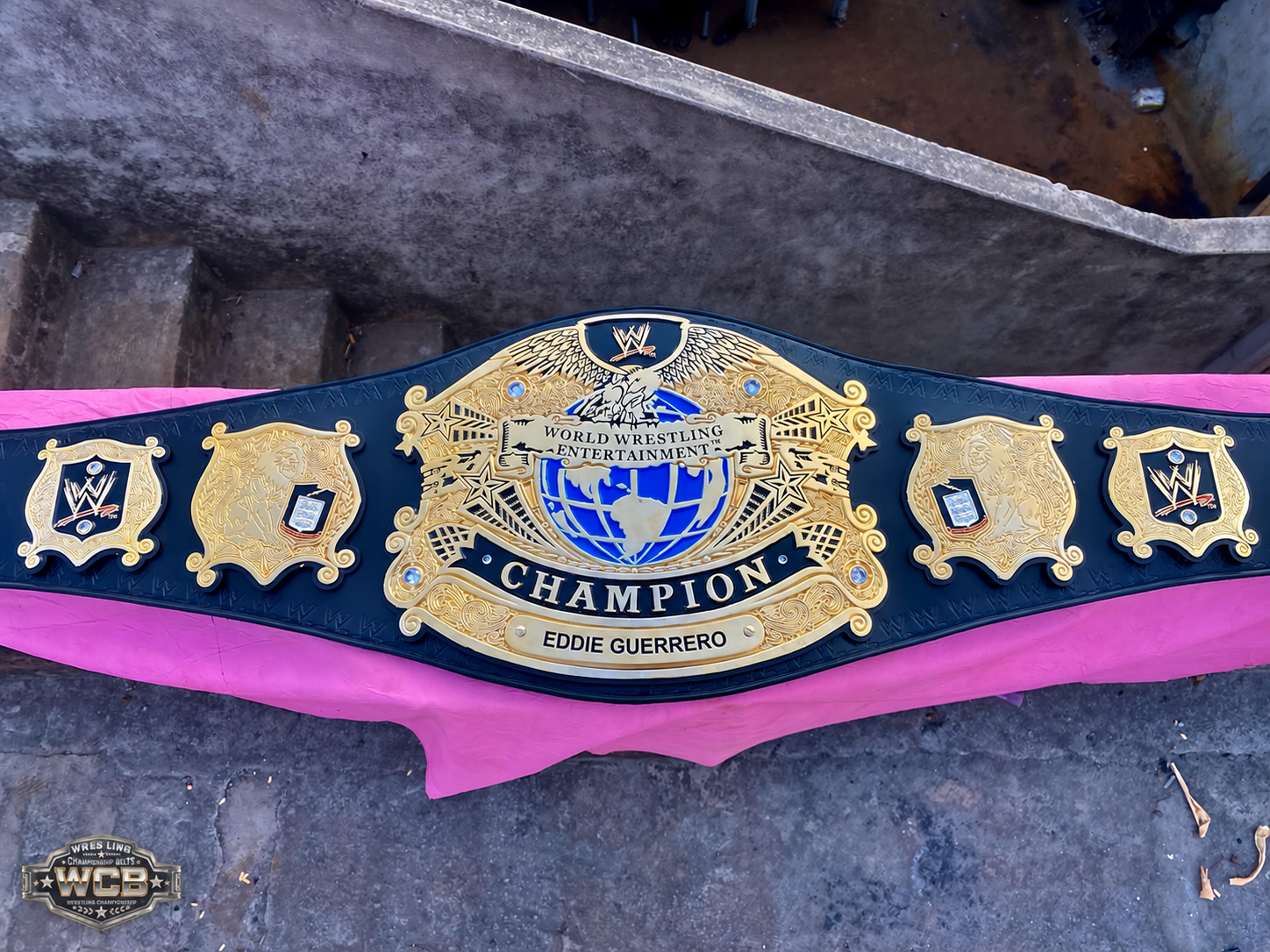
Plate thickness. This is the single biggest factor. Budget belts use 2mm plates — light, thinner, and noticeably less substantial in the hand. Mid-range belts move to 4mm, which is where most belts start to feel "real." Premium and CNC belts go up to 6mm or 8mm, with deeper etching and a heavier, more dimensional look.
Metal type. Most replicas use zinc alloy plates, which is durable and holds detail well. Higher-end belts use brass, which takes gold plating more evenly and tends to hold its shine longer. Neither is "bad" — zinc alloy is genuinely good value, brass is where the extra cost starts paying off.
Manufacturing method. Cheaper belts are often stamped or mold-cast, which is fine for basic designs but loses fine detail. CNC-machined belts are cut with precision tooling, which is why they show sharper engraving, cleaner edges, and more realistic depth. This is usually the biggest jump in both price and visible quality.
Strap material. Genuine leather straps age well, feel better, and hold their shape longer than synthetic straps. Synthetic straps aren't a dealbreaker for a display piece, but if you plan to wear the belt often, leather is worth the upgrade.
Plating. Gold plating thickness varies a lot between sellers, even when both call it "gold-plated." Thin plating can dull or wear within months of regular handling. Thicker, better-applied plating holds its shine far longer — this is one of the hardest things to judge from photos alone, so it's worth checking seller reviews specifically for how the finish holds up over time.
Where Your Money Actually Goes at Each Price Point
Under $150 — Entry-level. Usually 2mm plates, synthetic strap, basic engraving. Fine for costumes, kids, one-off events, or someone testing whether they even want a belt collection. Not built for daily wear or close-up display.
$150–$300 — The sweet spot. This is where 4mm zinc plates and genuine leather straps show up most often. You get real weight, sharper detail, and a strap that holds up over time. For the majority of collectors, this range delivers the best balance of cost and quality.
$300–$600 — CNC and premium builds. Deeper etching, thicker plates, better plating, and noticeably crisper detail work. Worth it if you care about close-up accuracy, plan to display the belt prominently, or want something that holds up to years of handling.
$600+ — Signature and fully custom pieces. At this level, you're often paying for full customization, 24K gold plating, or hand-finished detail work rather than just a bigger jump in base materials. Great for a serious collector's centerpiece, overkill if you just want a solid belt on your wall.
A Simple Way to Judge Any Listing
Before buying, run any belt through these four questions:
-
What's the plate thickness? If it's not listed, that's usually a sign it's on the thinner end.
-
Zinc or brass? Either is fine — just know which one you're paying for.
-
Stamped or CNC-made? CNC costs more, but the detail difference is real and visible.
-
Leather or synthetic strap? Matters more if you plan to wear it regularly.
If a listing can't answer these clearly, that's often more telling than the price itself.
Our Take
If you want one straightforward recommendation: start in the 4mm, genuine-leather range. It's the point where the belt stops feeling like a toy and starts feeling like something you'd actually be proud to display. You can always step up to a CNC or custom piece later once you know exactly what you want your collection to look like.
If you want to see the difference in person, our CNC Championship Belts collection shows what the higher end of that scale actually looks like — deep etching, 24K gold plating, and genuine cowhide straps. If you'd rather start simpler, our full WWE Replica Belts range covers the mid-tier sweet spot most collectors land on first. And if you already know exactly what you want, our Custom Championship Belts page lets you choose your own plate thickness, metal, and strap from scratch — no guesswork required.
The Bottom Line
"Quality for the money" isn't about finding the single best-looking belt. It's about matching the build — plate thickness, metal, manufacturing method, strap — to what you're actually going to do with it. A 2mm belt for a Halloween costume and a 6mm CNC belt for your display case are both good value, just for completely different reasons. Know what you're buying it for, then match the build to that, not the other way around.