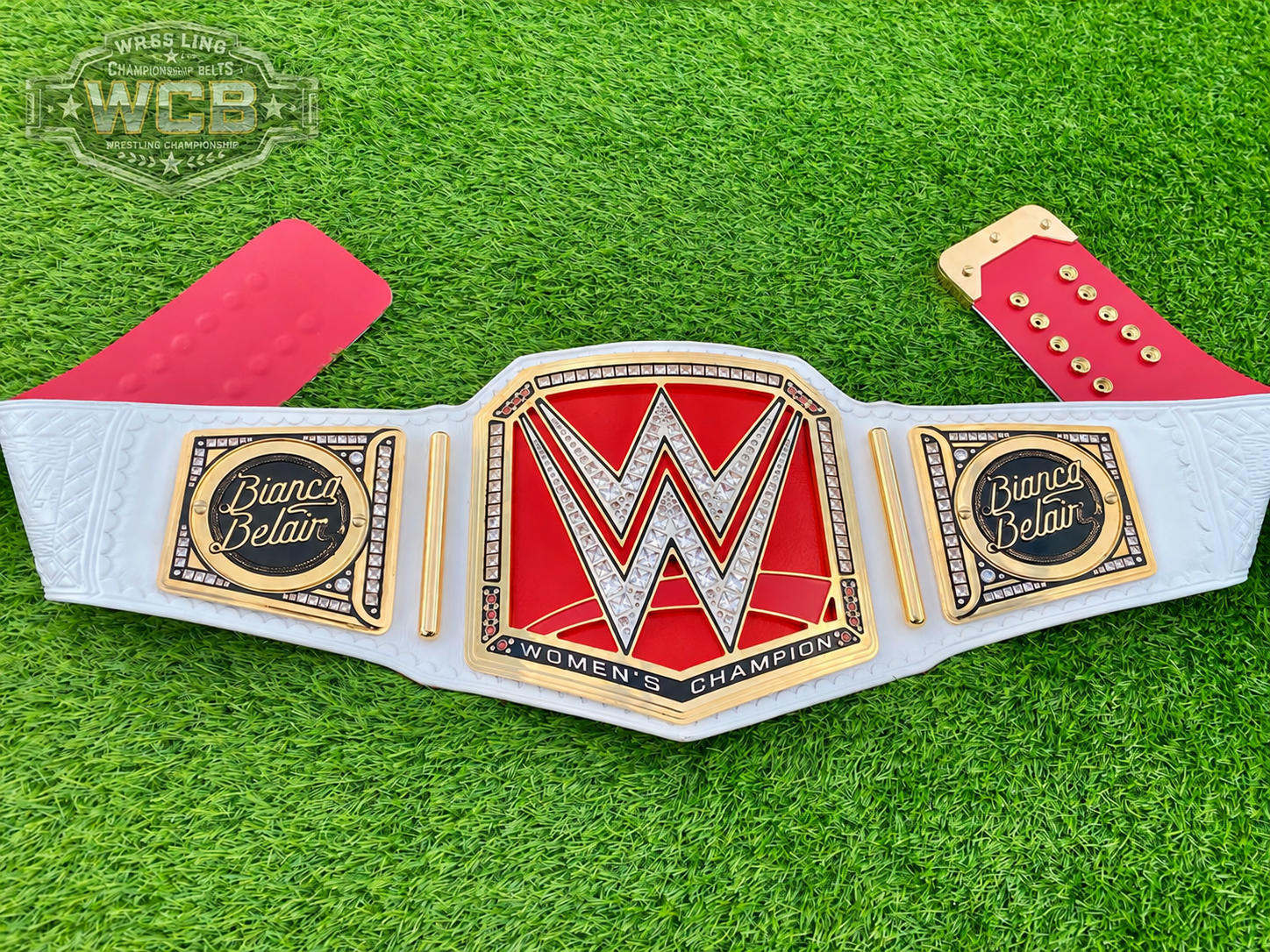
TNA never played it safe. While other promotions stuck to tradition, TNA built its identity around bold matches, unpredictable storylines, and titles that felt genuinely earned. Years later, fans still talk about those belts like they mattered. That's not an accident.
Here's why TNA Championship Belts continue to hold a special place in wrestling culture, long after the product changed and the name became Impact Wrestling.
1. The Titles Told Real Stories
TNA's championships weren't just props handed out on a schedule. The TNA World Heavyweight Championship, introduced in 2007, launched with Kurt Angle winning it in a three-way match against Christian Cage and Sting. That kind of high-stakes debut set the tone early.
Because the title changed hands through genuine competition, fans stayed emotionally invested. A belt only feels important when the matches around it feel important too.
2. Legendary Names Carried the Belt
TNA history reads like a highlight reel. AJ Styles, Samoa Joe, Kurt Angle, Sting, Bobby Roode, and Austin Aries all held major TNA titles at some point. Each of these names brought a different in-ring style, which kept the championship picture feeling fresh instead of repetitive.
For many fans, this is where their favorite wrestling memories actually live.
3. TNA Wasn't Afraid to Innovate
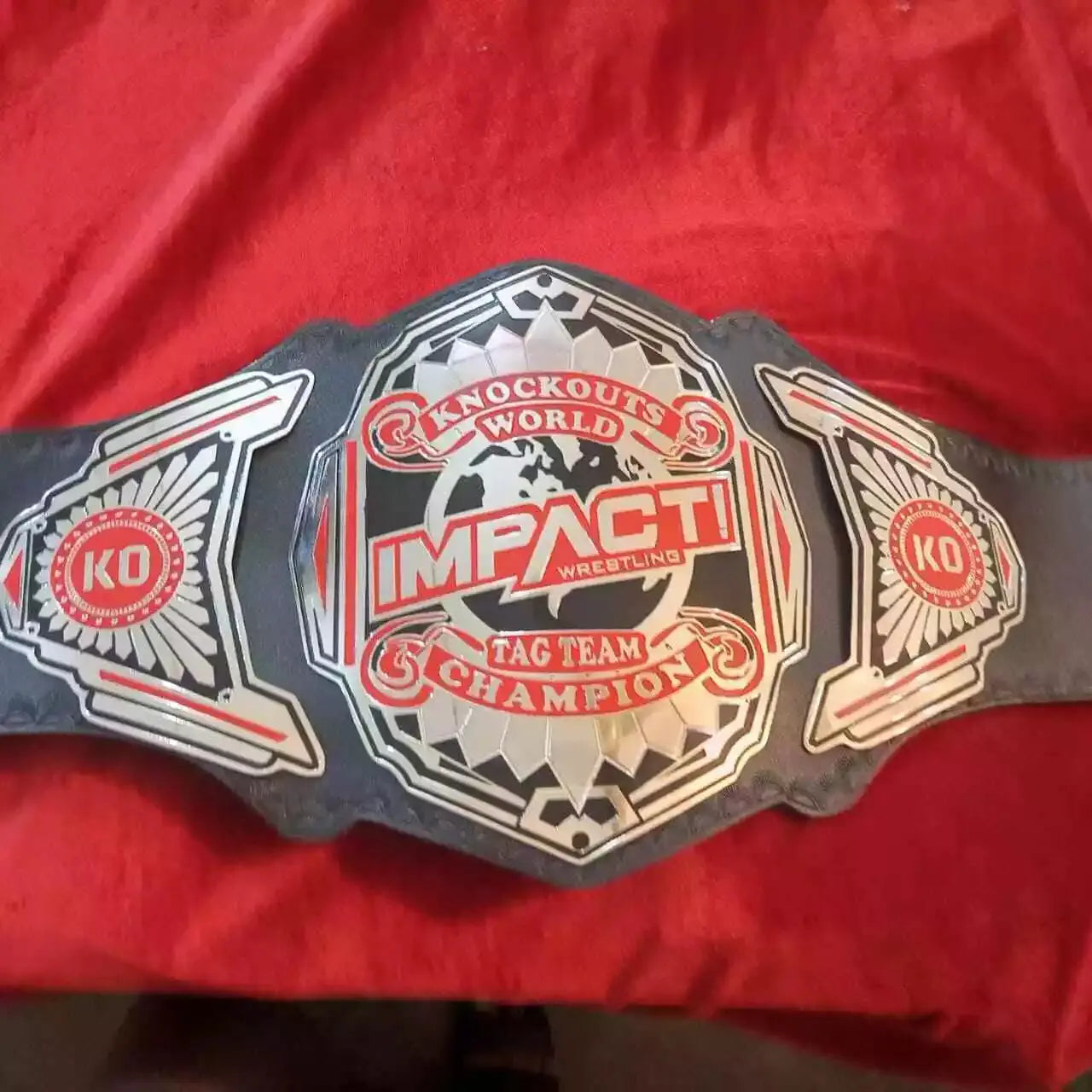
The X Division alone set TNA apart from everything else on television at the time. Fast-paced, high-flying, and completely unlike traditional heavyweight wrestling, it gave the promotion its own identity. The Knockouts division did something similar for women's wrestling, treating it as a serious, competitive division rather than an afterthought.
This willingness to experiment is part of why TNA belts still feel distinct today.
4. The Belt Designs Actually Changed Over Time
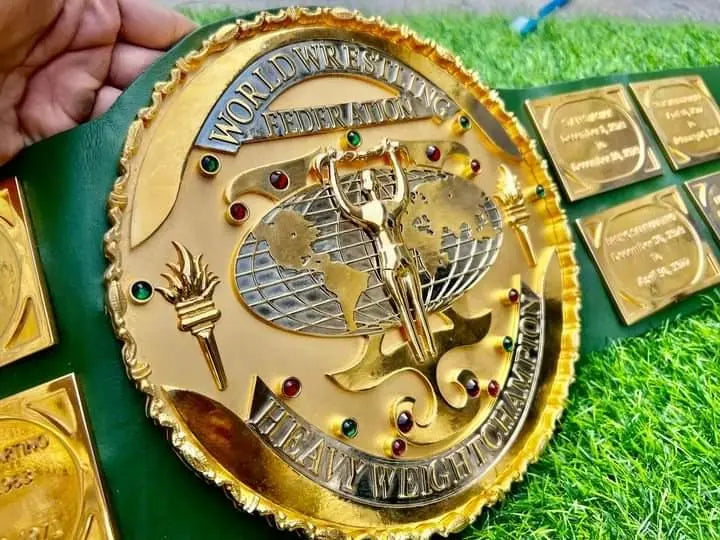
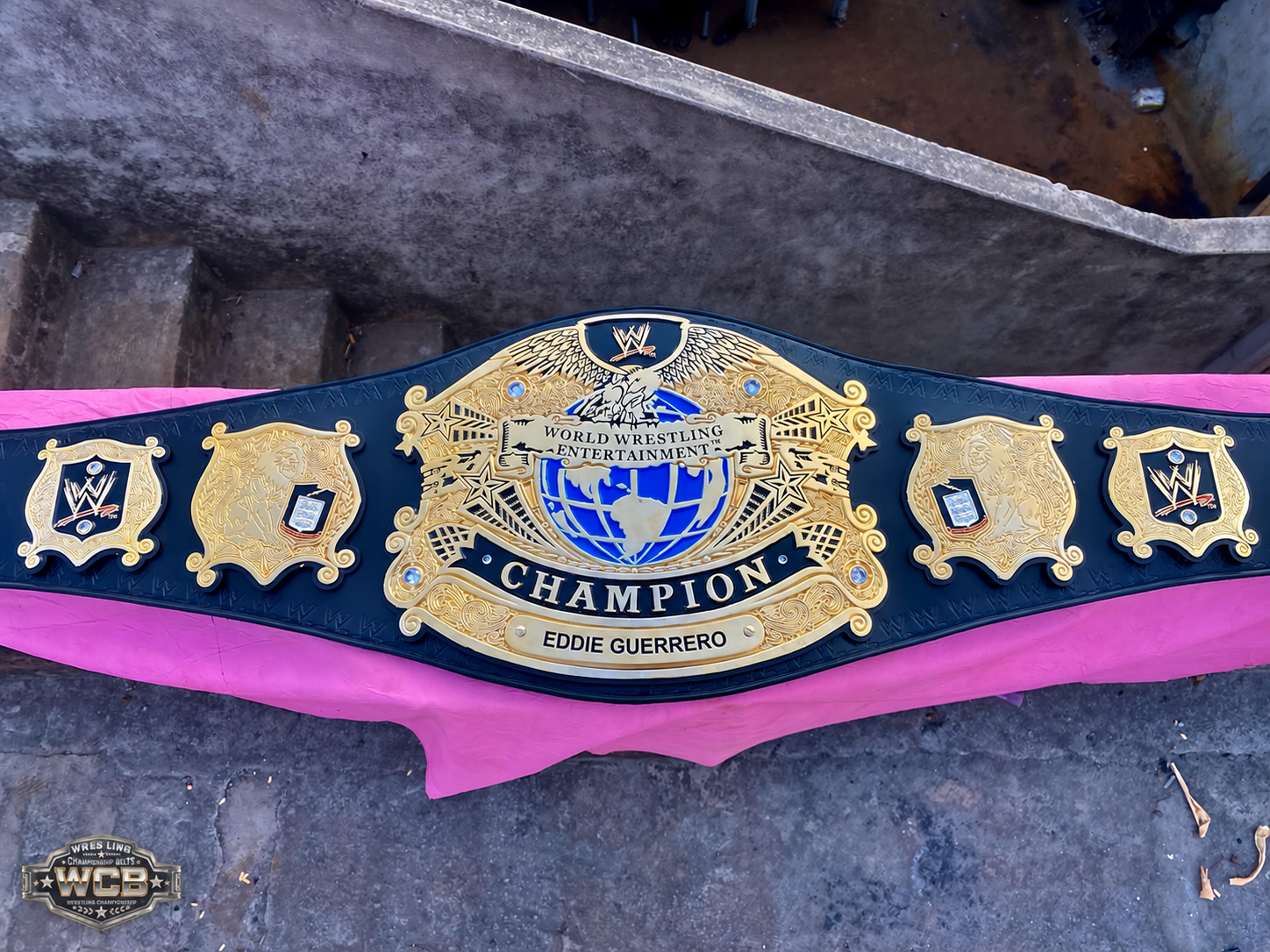
Unlike titles that stay visually frozen for decades, TNA's championship belt went through several redesigns. The original 2007 version featured a bold eagle centerpiece, and later versions introduced new details, including Jeff Hardy's personalized "Immortal" edition in 2012.
For collectors, this evolution matters. It means there isn't just one iconic design, but several eras worth owning.
5. Nostalgia Hits Differently for TNA Fans
A lot of wrestling fans discovered TNA during a specific chapter of their lives, often as an alternative to what mainstream wrestling was offering at the time. That personal connection sticks. Owning a TNA belt isn't just about the title itself. It's about remembering exactly where you were when you watched those matches happen.
6. The Titles Represent an Underdog Story
TNA never had the biggest budget or the largest audience, yet it consistently produced world-class wrestling. Fans respect that. A championship built on talent and effort, rather than marketing power alone, earns a different kind of loyalty.
That underdog spirit is baked into every version of the belt.
Why Fans Still Collect These Belts Today
All of this adds up to something simple. TNA Championship Belts aren't just replicas of a logo. They're symbols of a promotion that took real risks and delivered real moments. For fans who lived through that era, and even for newer fans discovering it now, owning one of these belts is a way to hold onto that history.
Final Thoughts
TNA may have changed its name, and its championship lineage may have shifted over the years, but the loyalty fans feel toward these titles hasn't faded. Between the storytelling, the legendary champions, and the willingness to do things differently, it's easy to see why TNA Championship Belts still mean so much to wrestling fans today.
Frequently Asked Questions
Who was the first TNA World Heavyweight Champion? Kurt Angle became the first champion in May 2007, winning a three-way match against Christian Cage and Sting.
Why did the TNA belt design change over the years? The championship went through several redesigns to reflect new eras of the promotion, including custom versions created by champions like Jeff Hardy.
Is TNA the same as Impact Wrestling? Yes. TNA (Total Nonstop Action Wrestling) later rebranded as Impact Wrestling, though the championship legacy carried forward.
Why do collectors still want TNA belts today? They represent a distinct era of wrestling history, known for bold storytelling, standout champions, and divisions like the X Division that changed the sport.